PEST EVIDENCE GUIDE / A HOME FIELD GUIDE
Find the pest
behind the clue.
A field guide for the things you find at home. Compare the evidence, consider the lookalikes, and decide what to document next.
36 sourced guides 05 ways to begin
01 / FIRST OBSERVATION
What did you find?
Choose the evidence you can actually see. Each path helps you compare more than one possibility.
02 / THE METHOD
From a clue
to a clearer picture.
One mark rarely tells the whole story. Work through the setting, the lookalikes, and what changes over time.
Explore the resources03 / CLOSE READING
In the field guide
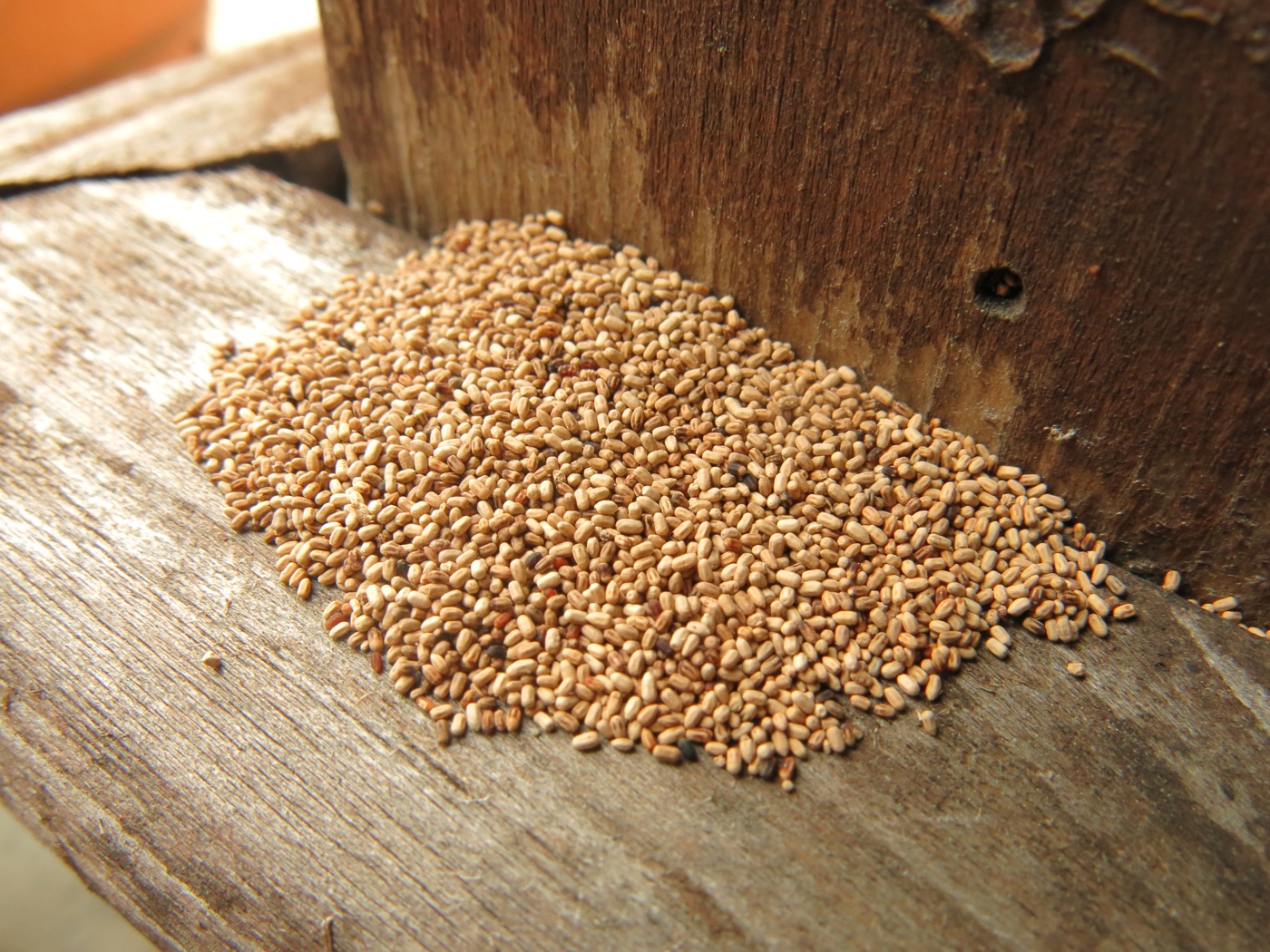
01Termite droppings: what to look for
Compare drywood termite droppings with sawdust and other wood-pest debris. See the clues that warrant a professional inspection.
Read the guide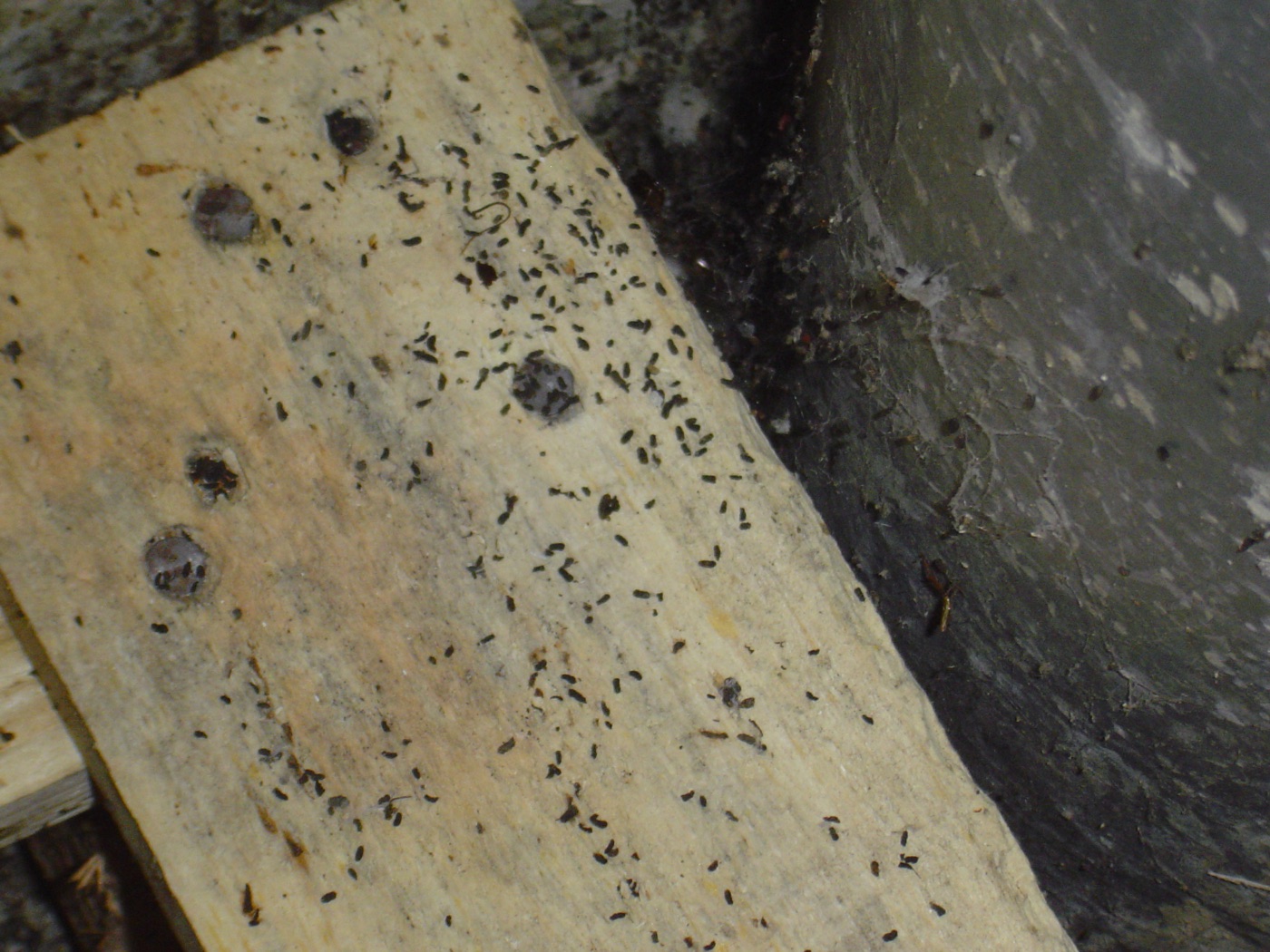 02
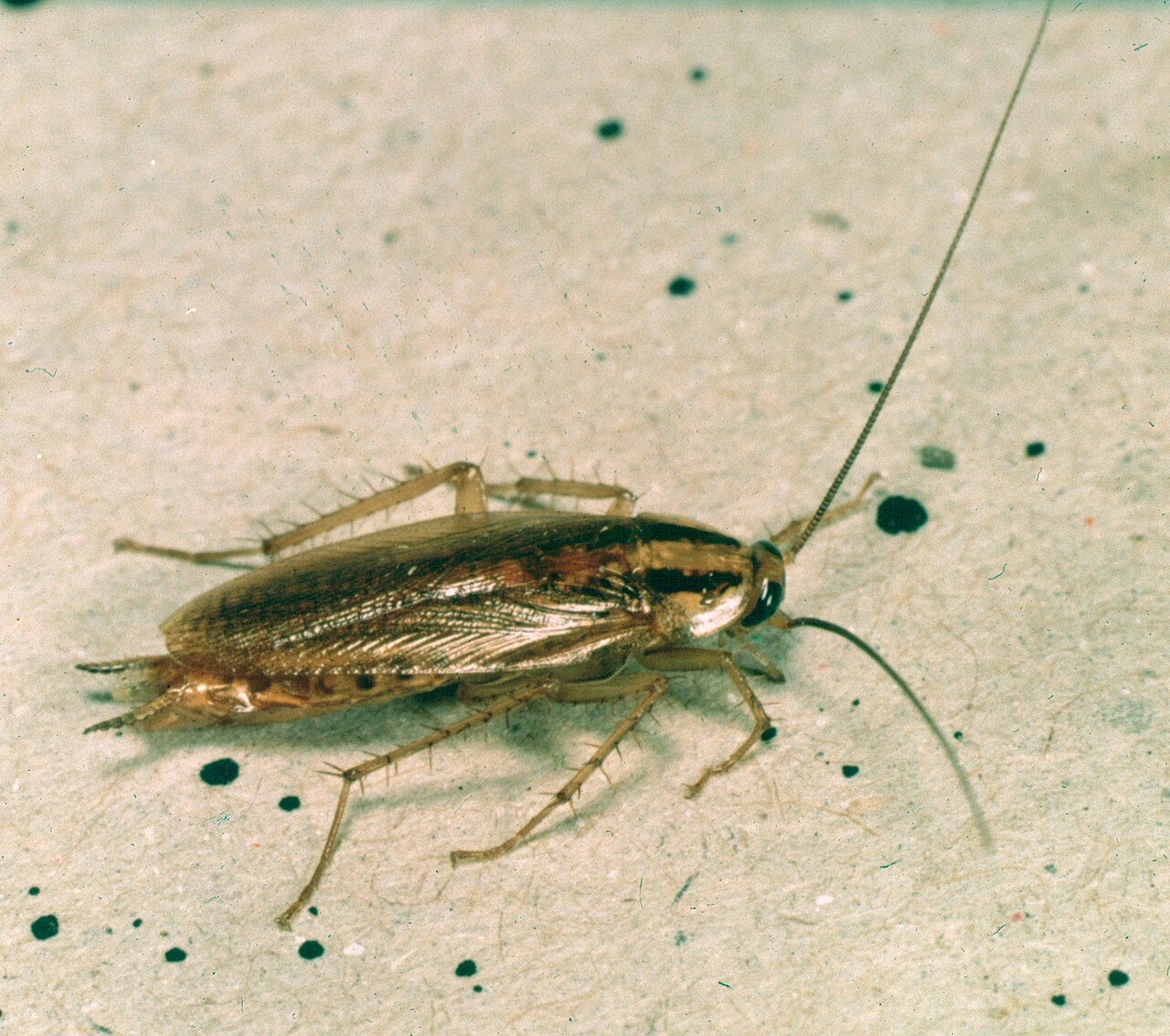
Roach poop and cockroach droppings
Identify likely cockroach fecal specks by their location and accompanying clues, and learn when to seek confirmation.
Read the guide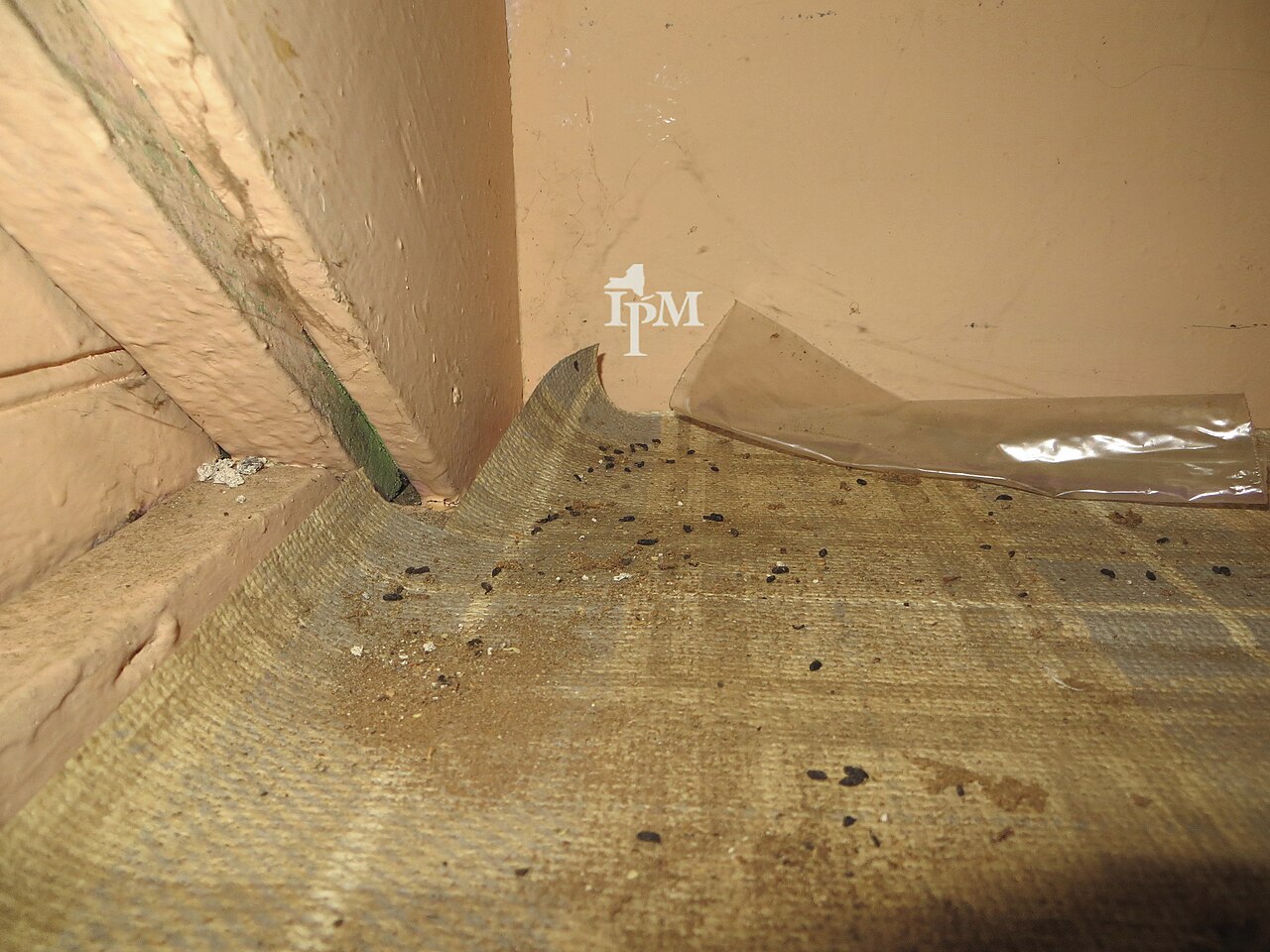 03
Mouse droppings: signs and safe next steps
Learn where mouse droppings may appear, how they compare with rat droppings, and why safe cleanup matters.
Read the guide04 / THE DIRECTORY
Browse by pest.
Follow a pest family to its signs, lookalikes, and next steps.
Explore all pest families05 / USEFUL REFERENCES
Keep these close.


06 / THE FIELD JOURNAL
Better questions. Better observations.
Sawdust near wood: is it carpenter ant debris?
Compare sawdust-like debris near wood with carpenter ant clues and other possible causes, and prepare a safe inspection record.
Read article MONITORING AND IDENTIFICATION · JOURNAL 02Cockroach sticky traps: how to build a useful monitoring record
Learn where to place cockroach monitors, how to record catches and what sticky traps can—and cannot—tell you.
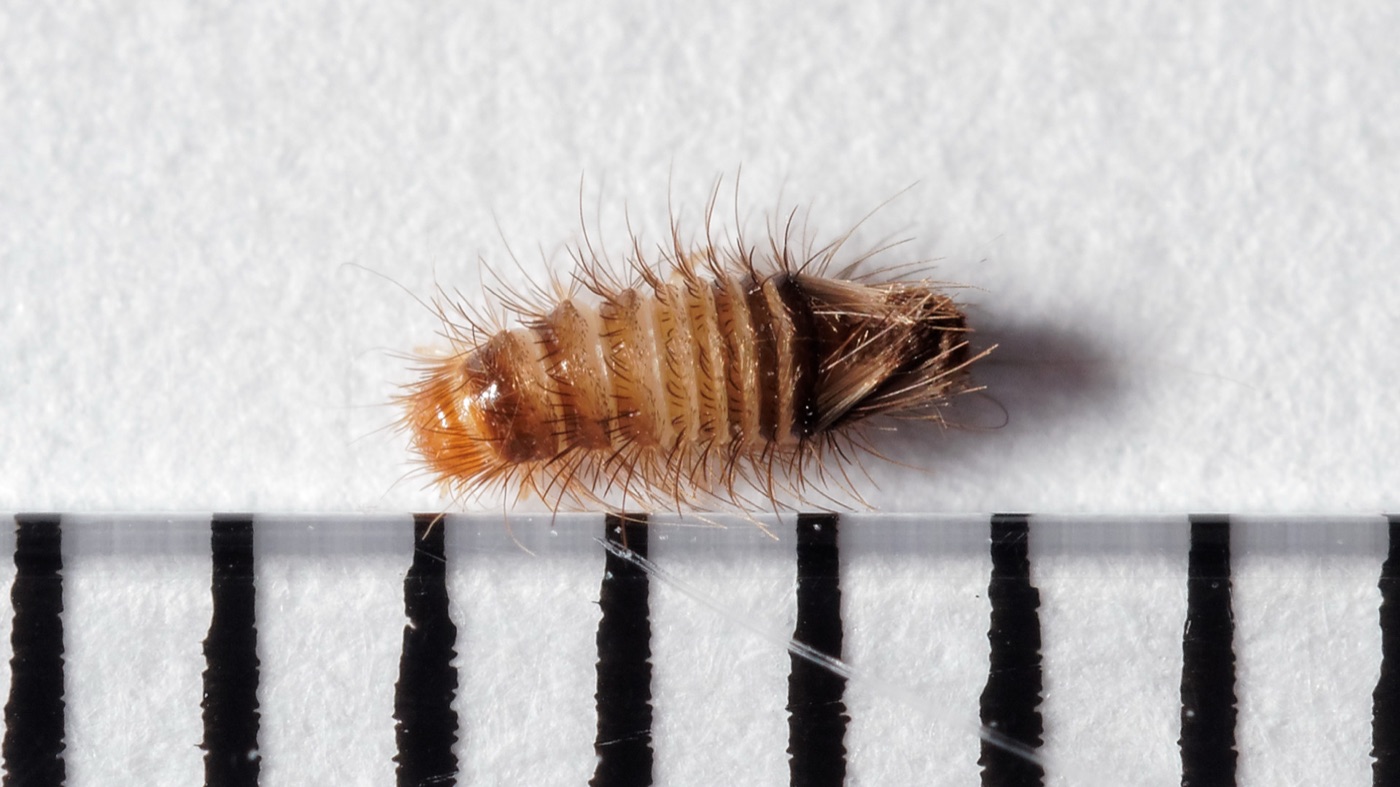
Read article PET-AREA EVIDENCE · JOURNAL 03Small insects near pet bedding: compare flea and carpet beetle clues
Compare flea and carpet beetle clues near pet bedding, protect your pet and find out when to seek identification or veterinary help.
Read articleA single sign can narrow the possibilities; it cannot confirm an infestation. Our guides show sources, uncertainty, and when local expertise matters.
How we work ↗