OBSERVATION KIT / 02
Put the clues side by side.
Look for a combination of features. A mismatch is a reason to keep the identification open.
COMPARISON FILE / 01
Common cockroaches
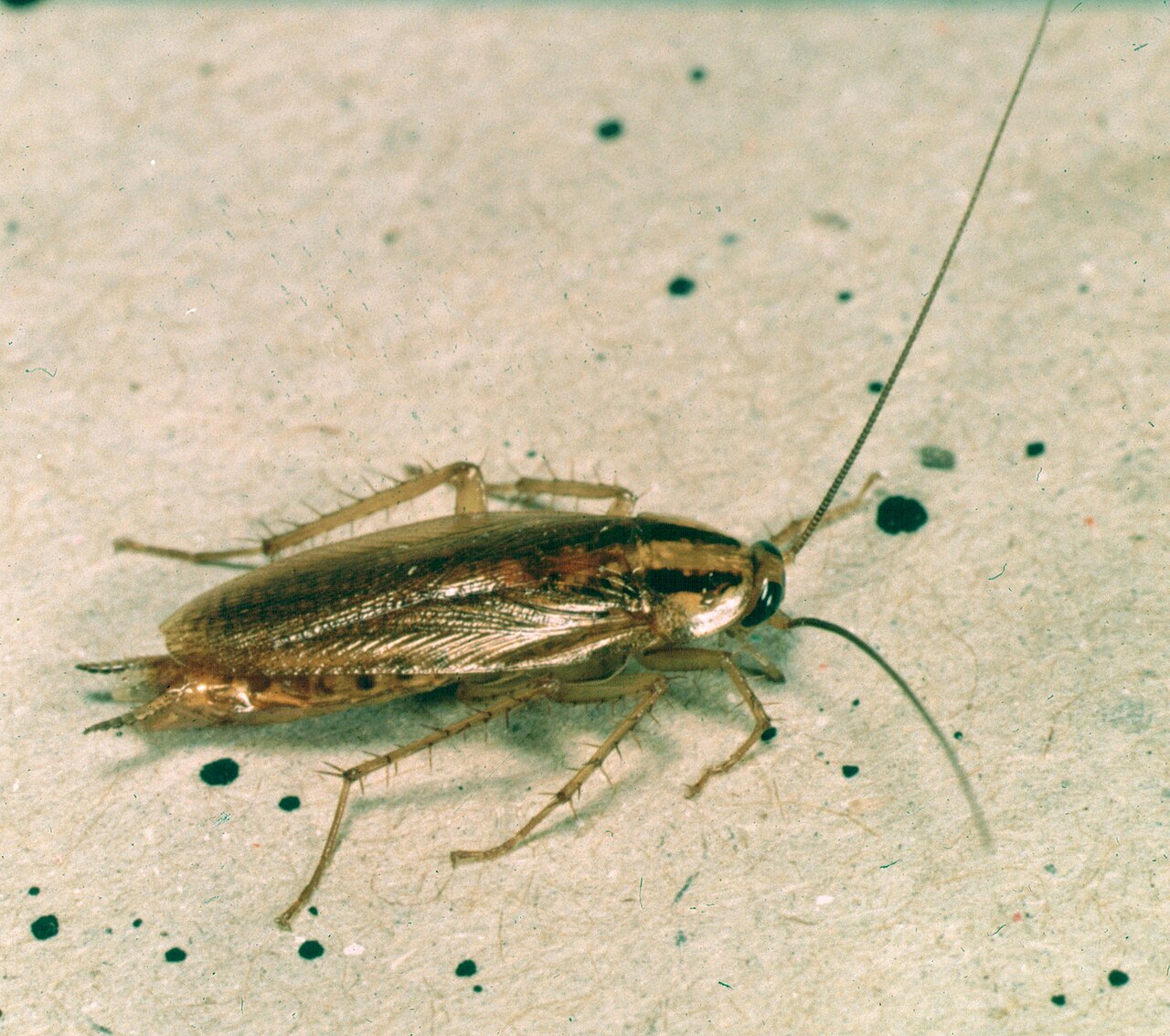
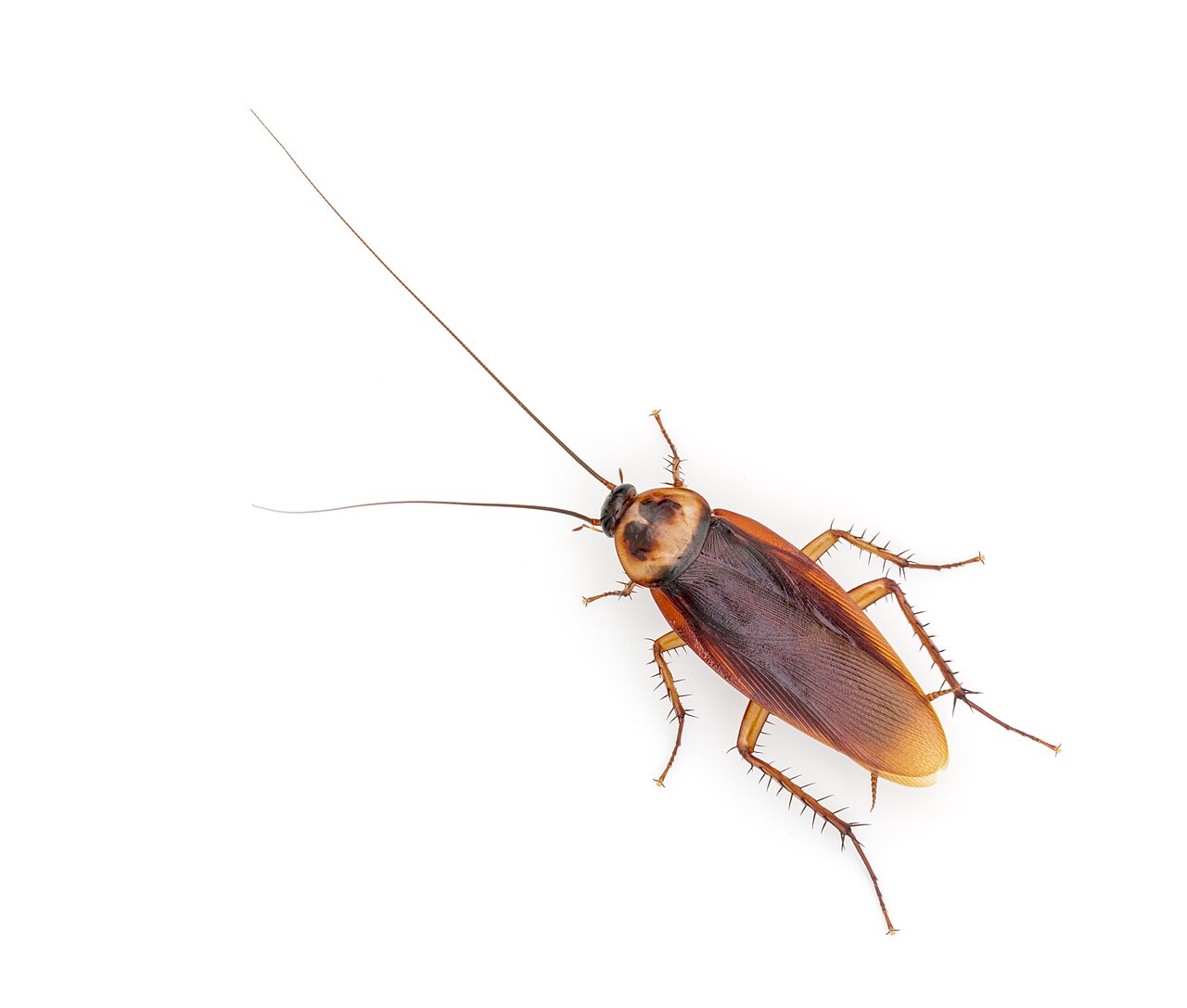
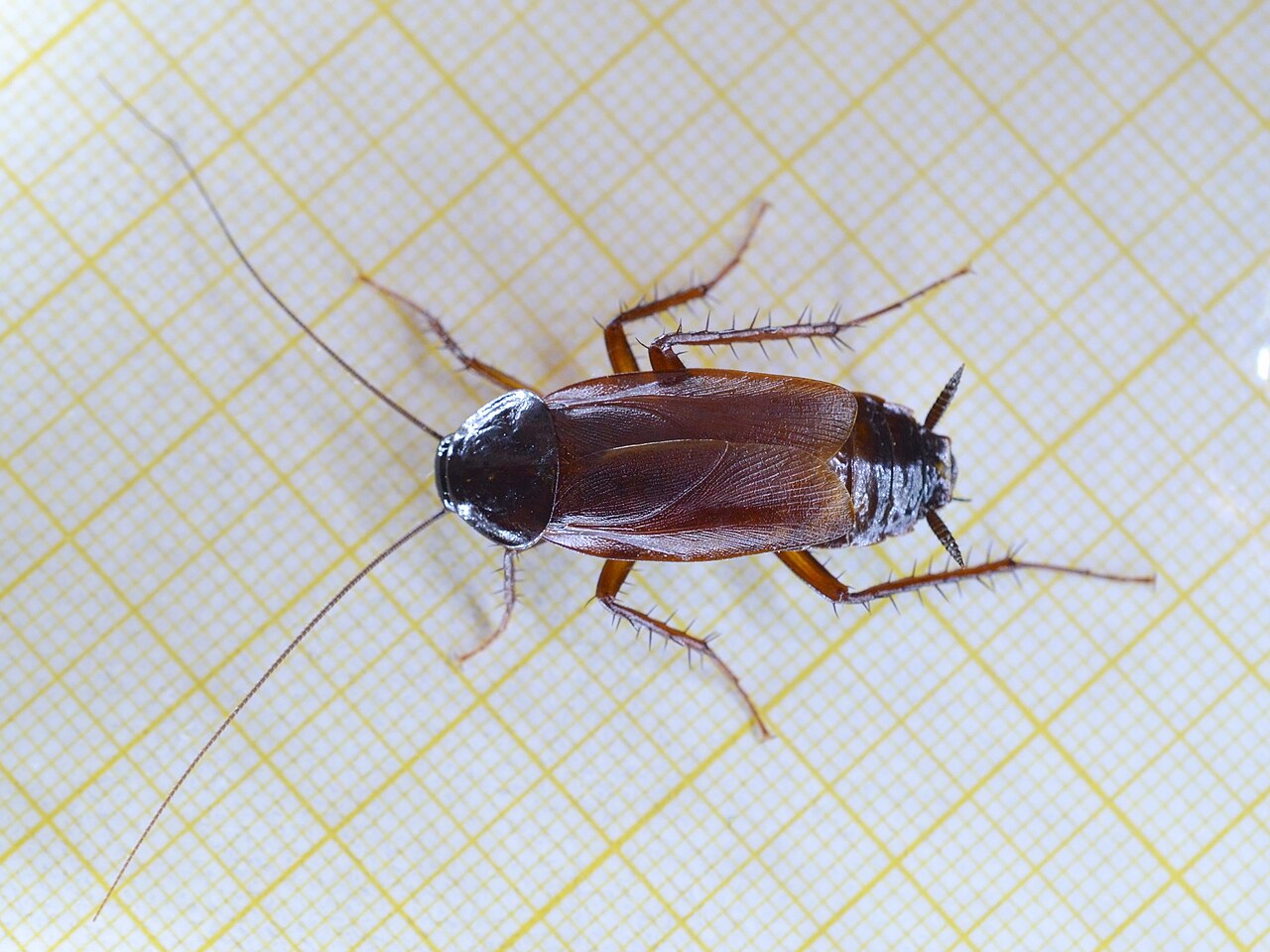
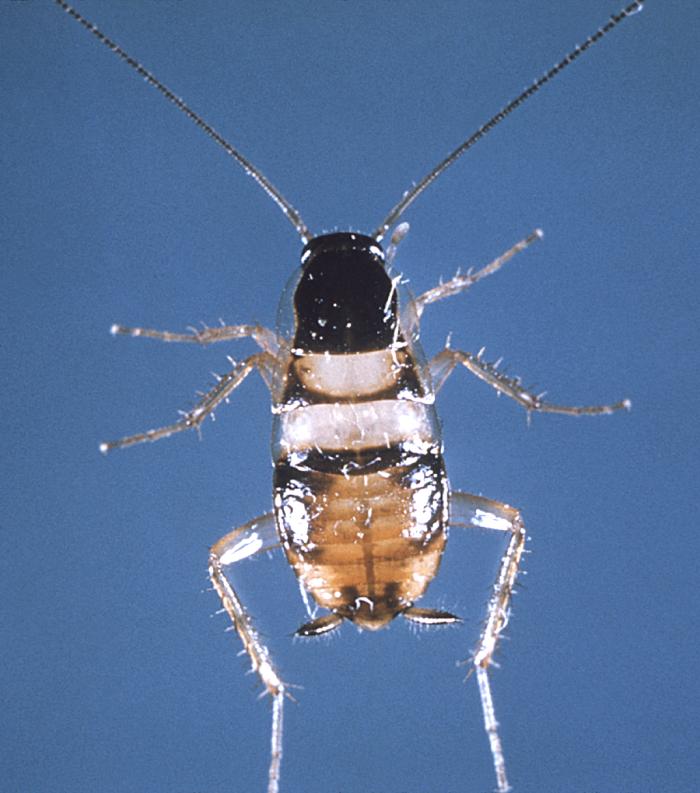
Compare the life stage as well as the species. The brownbanded reference photo shows a nymph; the other three show adults.
| Comparison | Visible feature | Context to record | What can mislead |
|---|---|---|---|
| German cockroach: markings and indoor clues →Source: UF/IFAS: German Cockroach | Paired lengthwise marks behind the adult head | Exact indoor hiding place | Asian cockroaches can look very similar |
| American cockroach: size, color, and lookalikes →Source: UF/IFAS: American Cockroach | Large reddish body; pale border behind the head | Interior sightings and possible exterior access | Young stages differ from the adult |
| Oriental cockroach: dark body and short wings →Source: Penn State Extension: Oriental Cockroaches | Dark shiny body; reduced adult wing coverage | Damp and ground-level locations | An adult female can look wingless |
| Brownbanded cockroach: bands and hiding places →Source: Penn State Extension: Brown-banded Cockroaches | Bands across the body | Furniture, shelving, and sighting height | Adult wings can obscure the band pattern |
German cockroach: markings and indoor clues

American cockroach: size, color, and lookalikes
_(cropped).jpg)
Oriental cockroach: dark body and short wings

Brownbanded cockroach: bands and hiding places

COMPARISON FILE / 02
Wood debris and damage
These clues help frame an inspection question. They cannot date the damage or establish structural condition.
| Comparison | Useful clue | Context to record | What can mislead |
|---|---|---|---|
| Termite droppings: what to look for →Source: UC IPM: Drywood Termites | Firm, distinct fecal pellets | An opening in wood above the pile | Old pellets can be displaced |
| Carpenter ant frass: sawdust-like debris →Source: UC IPM: Carpenter Ants | Expelled wood fragments and debris | An accessible gallery or actual ants | Ordinary sawdust can look similar |
| Powderpost beetles: round holes and wood powder →Source: University of Kentucky: Powderpost Beetles | Round exit holes with powder | The affected wood item and any recent movement | Old holes and old powder can remain |
| Termite mud tubes: how to recognize them →Source: UC IPM: Subterranean and Other Termites | Continuous earth-colored shelter tube | Its route across foundation or wood | Mud alone is not a confirmed tube |
COMPARISON FILE / 03
Bedroom insects and signs
Start with the specimen. Skin symptoms do not settle an insect identification.
| Comparison | Useful clue | Context to record | What can mislead |
|---|---|---|---|
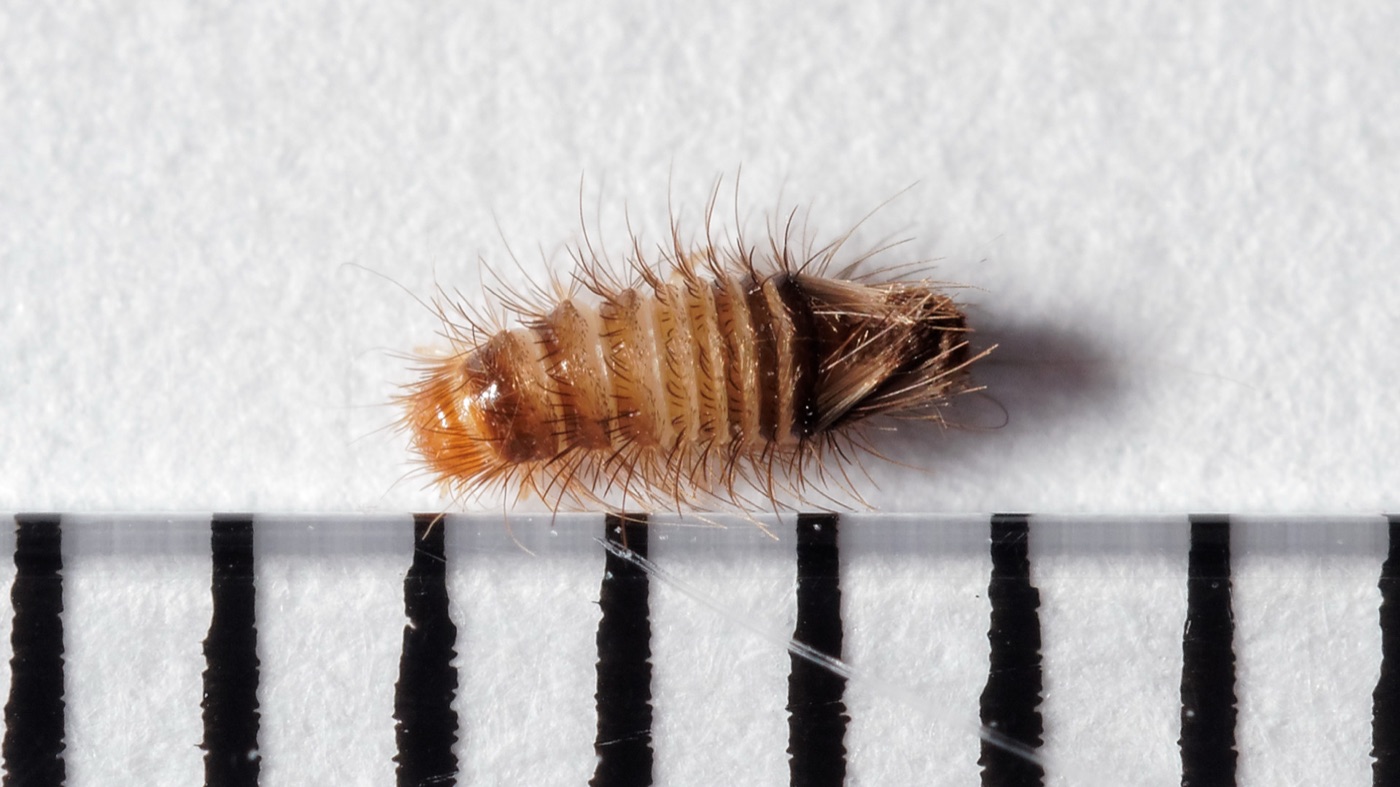
| Carpet beetle larvae: identification clues →Source: UC IPM: Carpet Beetles | Hairy larva or bristly cast skin | The material where it was found | A cast skin is not a live larva |
| Black carpet beetle: adults, larvae, and fabric clues →Source: UC IPM: Carpet Beetles | Dark adult beetle with wing covers | Window sighting versus affected material | An adult does not locate the larval source |
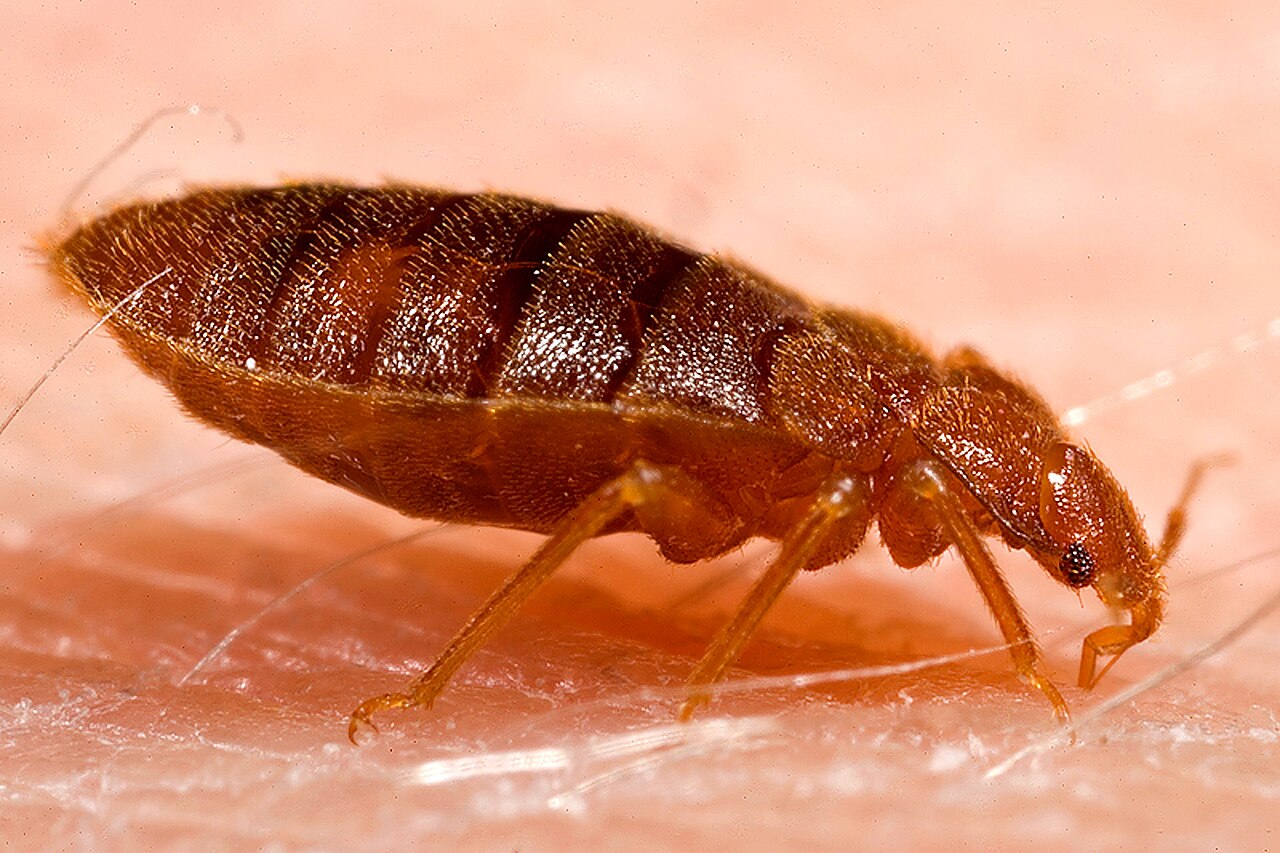
| Bugs that look like bed bugs: what to compare →Source: Penn State Extension: Biology, Habitat, and Management of Bed Bugs | Intact bug and detailed body features | Sleeping furniture or possible wildlife context | Closely related bat bugs may need magnification |
| Bed bug stains and dark spots →Source: US EPA: How to Find Bed Bugs | Marks accompanied by other physical signs | The exact seam or furniture join | An isolated stain is not diagnostic |
Varied carpet beetle larva
.jpg)
Adult bed bug, feeding

Still uncertain?
Save the features that fit and those that do not. A qualified identifier may need a specimen or a different view.
Record the comparison →