FIELD JOURNALMonitoring and identification
Cockroach sticky traps: how to build a useful monitoring record
Learn where to place cockroach monitors, how to record catches and what sticky traps can—and cannot—tell you.
IN BRIEF
A numbered trap can show where and when insects were caught. It cannot identify the species by itself, establish every hiding place or replace a complete management plan.
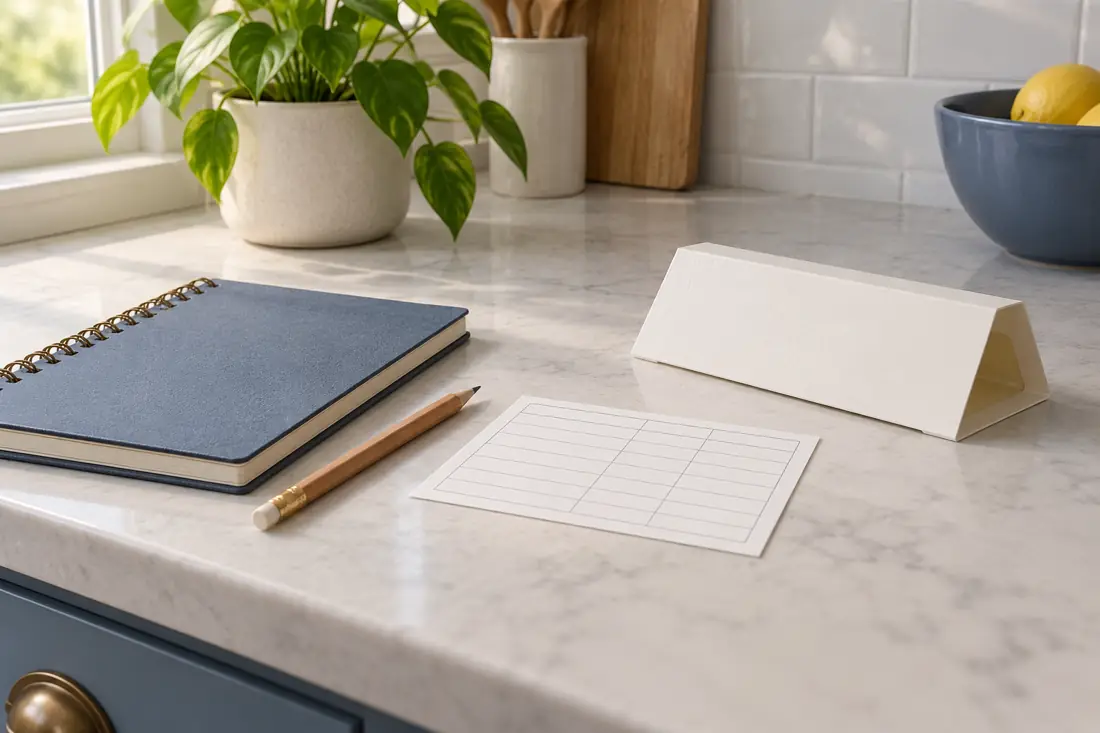
A single clue or photograph cannot confirm a species, the extent of a problem, current activity or the safety of a space. Record what you can safely see and ask a qualified identifier or professional when the finding is unclear.
What a trap can and cannot tell you
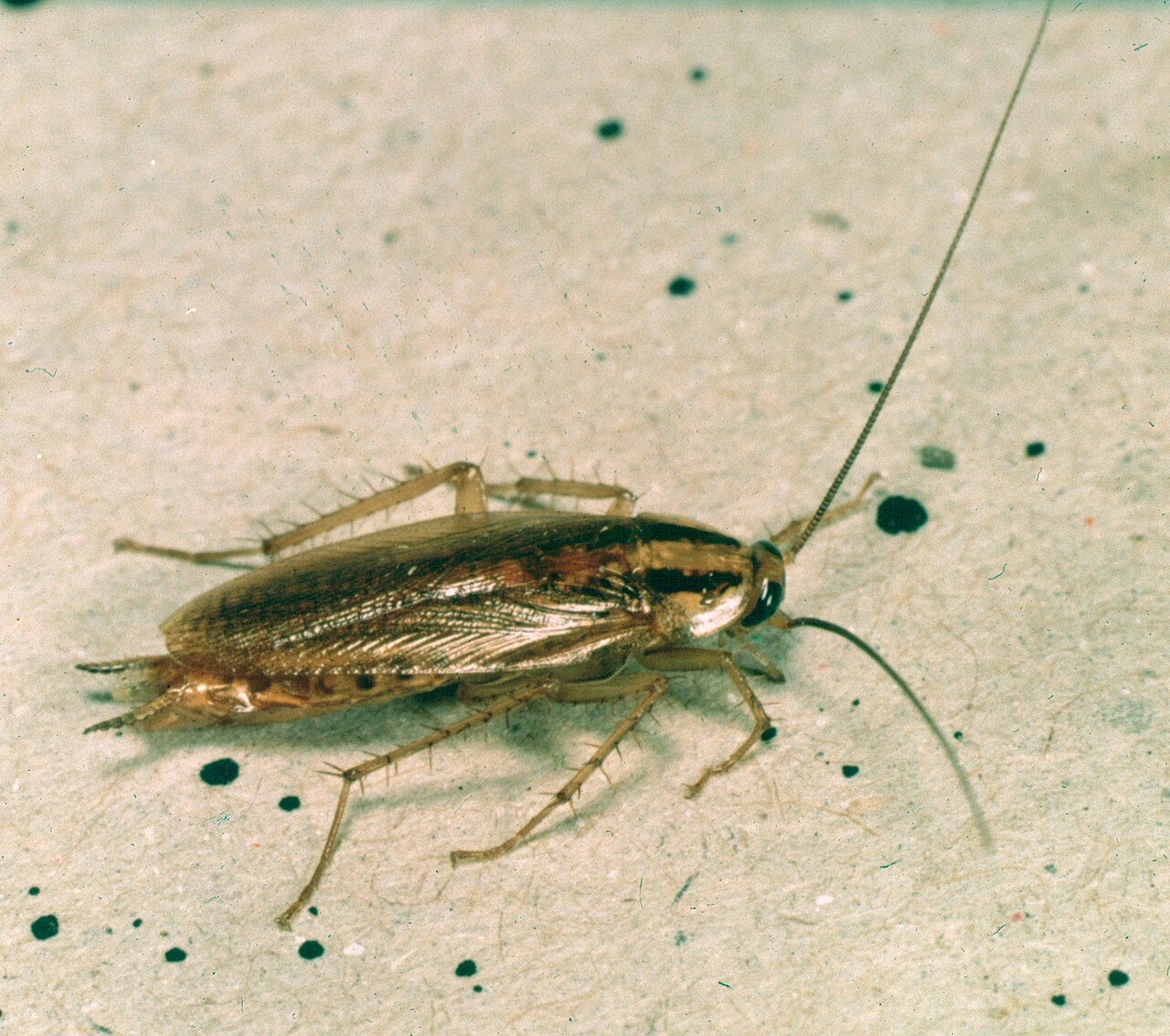

A sticky monitor provides a dated sample at one location. UC IPM describes sticky traps as a useful way to detect and monitor cockroaches, including in areas along walls, inside cupboards and near appliances. A catch can help a trained identifier decide what to examine next; the total depends on where the trap was placed and how long it remained there.
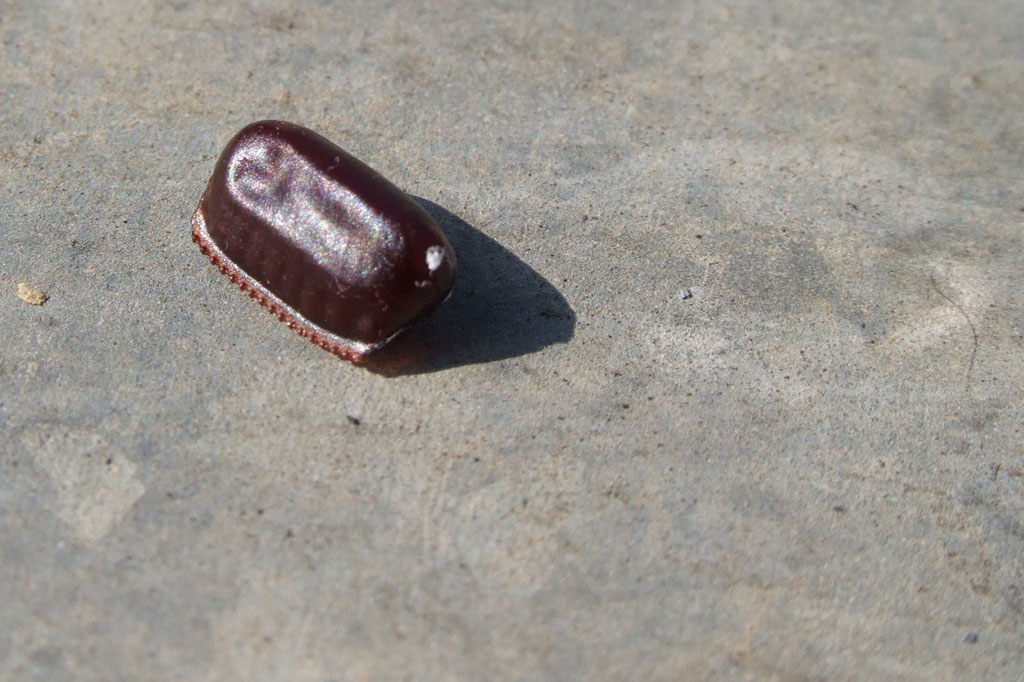
The German cockroach shown in this reference photograph is one species, not proof that any insect on your trap is the same species. Nymphs and adults can look different, and several household insects are easily confused. A single empty trap does not mean a home is pest-free. It only describes that trap’s catch during that specific monitoring period.
Draw a small map before setting monitors
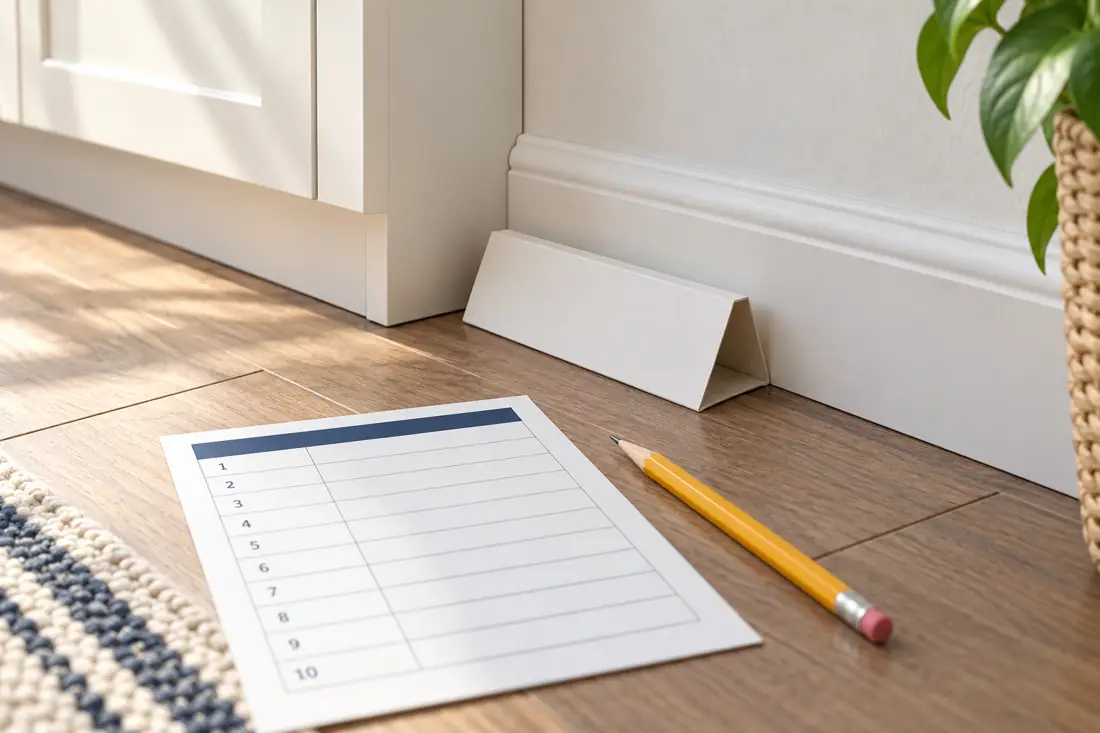
Mark the sink cabinet, refrigerator, food-storage area and any other safe, accessible location where you saw an insect or physical sign. Number each monitor and record its placement date and location in plain language: “trap 2, rear left corner of accessible sink cabinet,” for example. Do not place traps where children or animals can reach them, on food-contact surfaces, or where they block a door or equipment. Follow product directions.
Use a map rather than memory so a later result can be tied to the same location. Do not pull out heavy appliances, open electrical panels or disturb suspect rodent waste for the sake of a trap. Mark inaccessible areas as not checked.
Make the catch comparable over time
At each check, record the date, the trap number, the approximate number and type of insects, and whether the trap was replaced or moved. Photograph the whole trap and a close view where safe. Keep the original image and note whether an expert identified a specimen. If a trap becomes wet, dirty or inaccessible, record that limitation rather than treating it as a normal empty result.
Compare similar intervals and locations. A larger catch after seven days cannot be compared directly with a smaller catch after one day. A trap moved from a cabinet to a hallway is a new location; treat the change as a new series. Counts do not translate into a verified number of insects living behind a wall.
Connect the pattern to food, moisture and access
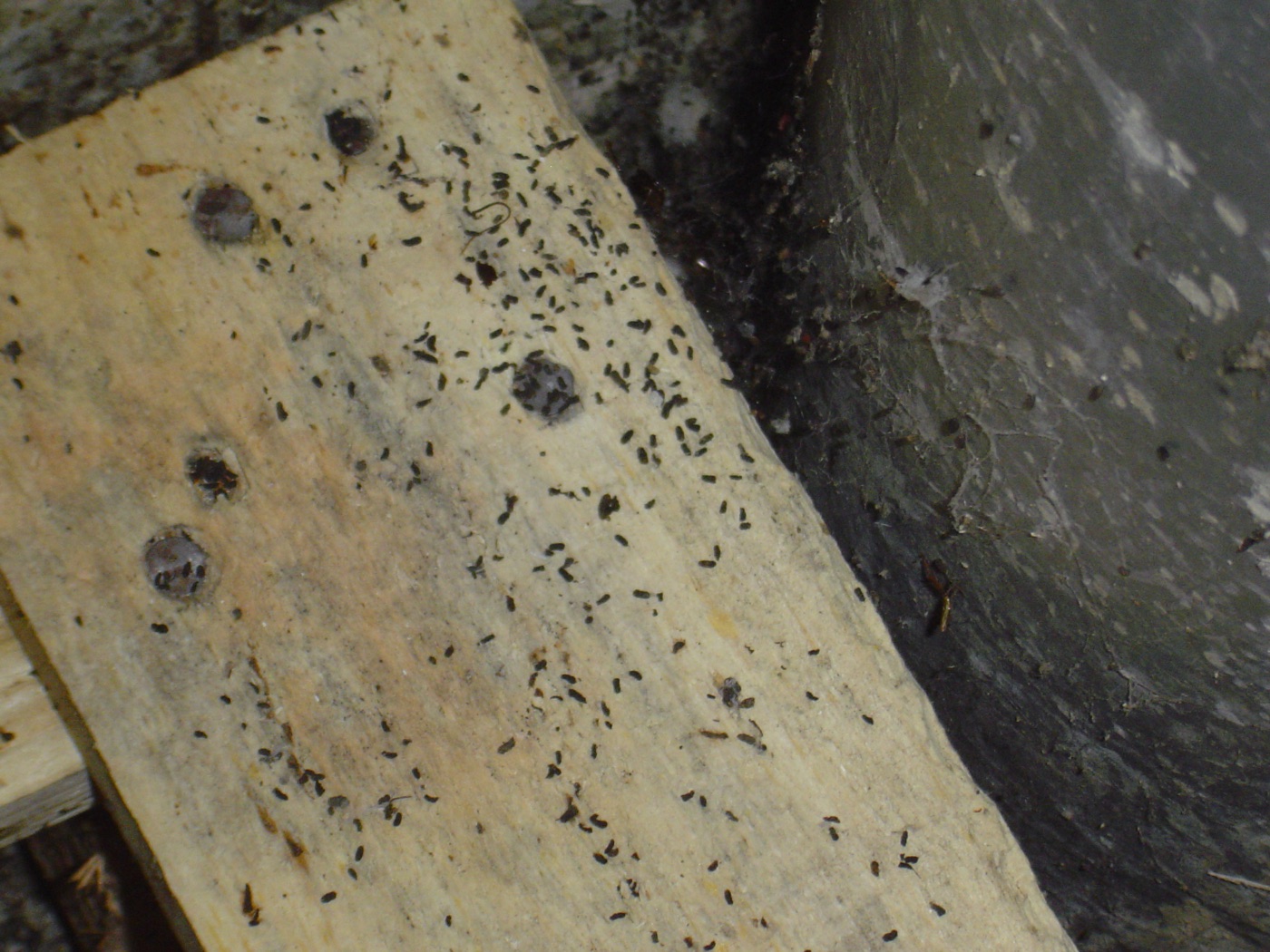

Use repeated findings to ask specific questions: Is a leak present? Is a package damaged? Is there a gap around a pipe? Store food in closed containers and clean ordinary spills when it is safe, while arranging repair of leaks and openings with the responsible person. In an apartment, tell the property manager if plumbing or adjoining spaces need attention; avoid claiming that the source is a neighbor without evidence.
Monitoring is not the same as control. A useful plan can combine identification, cleaning, moisture reduction, exclusion and targeted treatment when appropriate. Pesticides should be selected for the situation and used only as their label directs. A trap result alone does not justify spraying a broad area.
Share a record a professional can use

Prepare a short handoff: the earliest observation date, trap map, each check date, captures, any known leaks and the identification status. Include the date of previous treatment if known, but avoid claiming a product failed when the application, target and follow-up were not documented. Ask whether specimens should be retained and how the professional prefers to receive photographs.
Request a plan for rechecking the same monitored locations and addressing the conditions that support pests. Ask what evidence would change the plan, what preparation is required, and when a service visit or follow-up would be appropriate.
Interpret the next check carefully
A downward trend at comparable traps can be encouraging, but it remains a local monitoring result. A sudden zero may also reflect a moved, damaged or poorly positioned trap. New insects at a different location call for a dated entry and review, not an automatic conclusion about the source.
Keep children and pets away from monitoring devices and follow the device label for disposal. If you find large numbers, repeated sightings after work, or evidence in inaccessible voids, contact a qualified pest professional. Your record improves the assessment without pretending that one measurement establishes the whole infestation.
Field comparison: record what you know
| Observation | Useful record or action | Limit |
|---|---|---|
| Trap 1: kitchen wall | Placement date and catch at each visit | Use the same location for comparable checks. |
| Trap 2: sink cabinet | Date, moisture and catch | A leak is a separate repair issue. |
| Wet or damaged monitor | Record the failure and replacement | Do not count an unusable trap as a normal zero. |
| Changed placement | Start a new location entry | Counts from different places are not directly equivalent. |
Continue in the field guide
Common questions
Can sticky traps eliminate cockroaches?
They can catch individual insects and provide monitoring information, but UC IPM treats them as part of a broader approach. Identification, reducing food and moisture, exclusion and appropriate targeted treatment may also be needed. A trap count alone is not evidence that a hidden population has been removed.
How many traps should I set?
There is no useful universal number for every kitchen or building. Start with safe accessible places associated with observations, follow the device instructions and ask a pest professional to design a monitoring plan for the layout. Record where each monitor is placed so the results can be interpreted.
Are all cockroaches on a trap the same species?
No. Species and life stages can look different, and other insects may also become stuck. A clear photograph or specimen may help an extension service or professional identify the catch. Do not assume the reference photograph on this page confirms the identity of your own catch.
What if the trap catches nothing?
Record a zero along with the check date and the trap’s condition. An empty result is limited to that device and interval; it may reflect placement, limited activity or other factors. It cannot establish that concealed spaces, adjoining rooms or neighboring units are clear.
Should I use insecticide next to every trap?
No. A trap is a monitoring tool and does not by itself determine the product or treatment location. Coordinate with the responsible pest professional, follow labels and address food, moisture and openings. Keep pesticides and monitoring devices away from children, pets and food-contact surfaces.
Sources and further reading
The observation checklists are our editorial organization of the topic. Linked organizations have not reviewed or endorsed this article.