FIELD JOURNALWood evidence
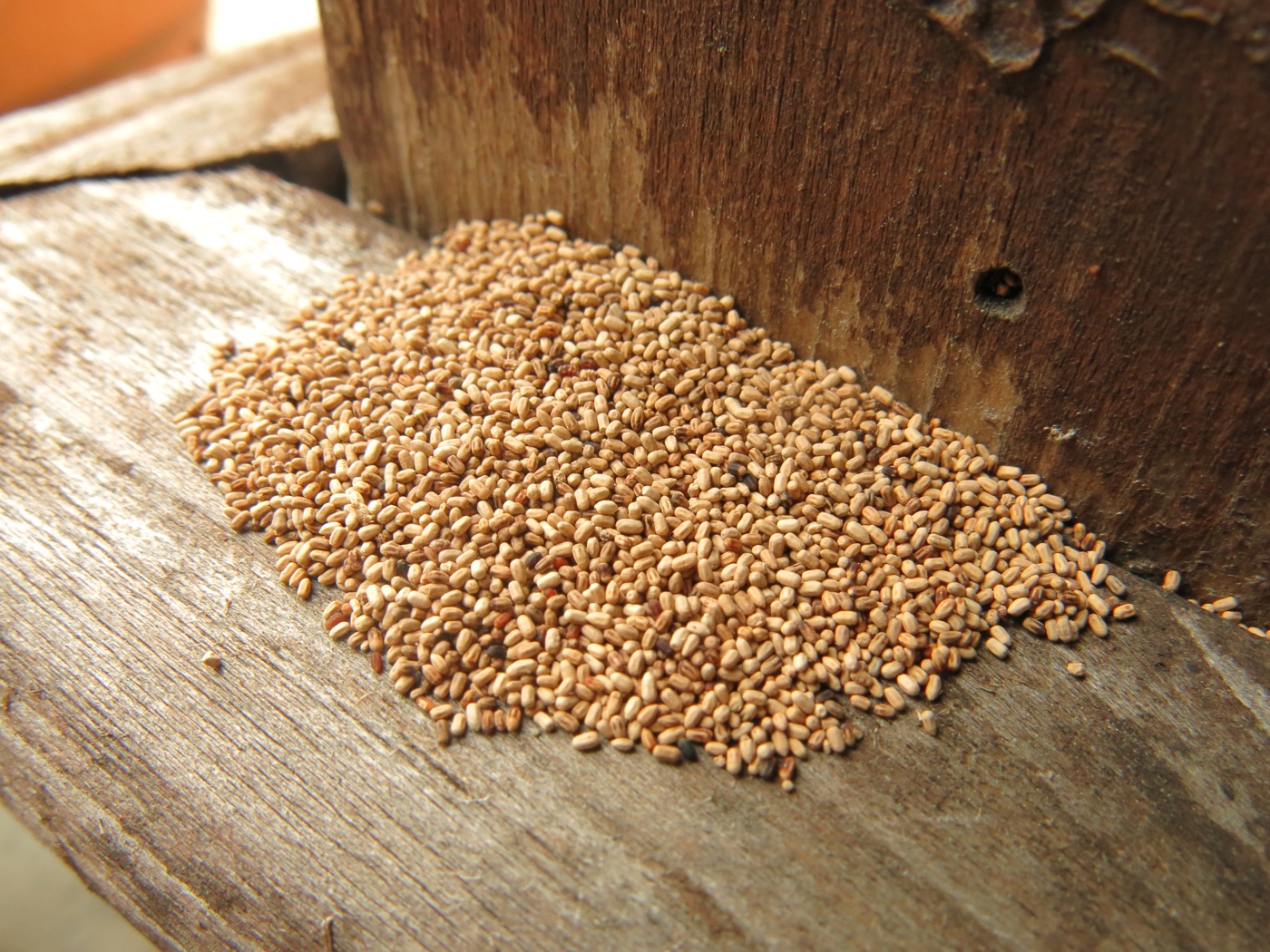
Sawdust near wood: is it carpenter ant debris?
Compare sawdust-like debris near wood with carpenter ant clues and other possible causes, and prepare a safe inspection record.
IN BRIEF
A small pile of wood-like material can come from construction, damaged wood or several insects. Use location and additional signs to guide a careful inspection instead of assigning a species from a pile alone.
A single clue or photograph cannot confirm a species, the extent of a problem, current activity or the safety of a space. Record what you can safely see and ask a qualified identifier or professional when the finding is unclear.
What carpenter ants do to wood
University of Minnesota Extension explains that carpenter ants excavate galleries in wood to create nesting space; they do not eat the wood. Excavated material can resemble coarse sawdust. The presence of a sawdust-like pile does not establish that carpenter ants produced it, that a nest is active, or that structural components are damaged.
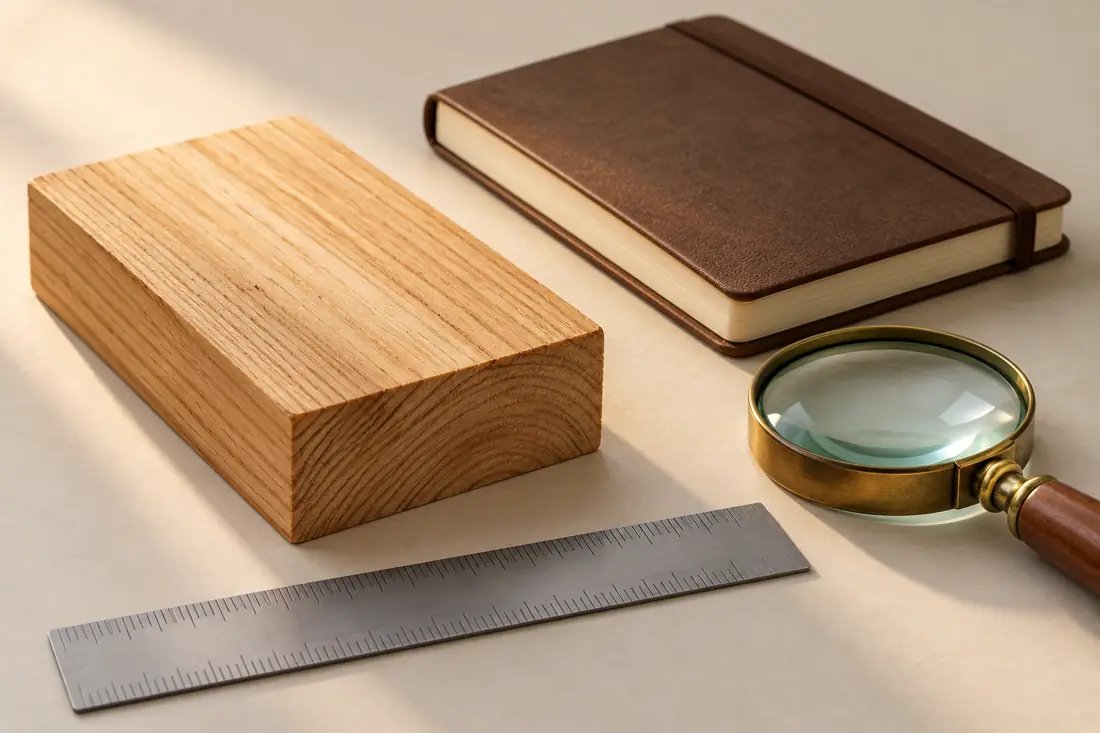
Construction dust, loose wood fibers, wood-boring insect debris and other household material can look similar. The illustration on this page is editorial artwork, not a photograph of a carpenter ant nest or debris. A professional may need to inspect the wood and identify specimens before reaching a conclusion.
Record the pile and the surrounding setting
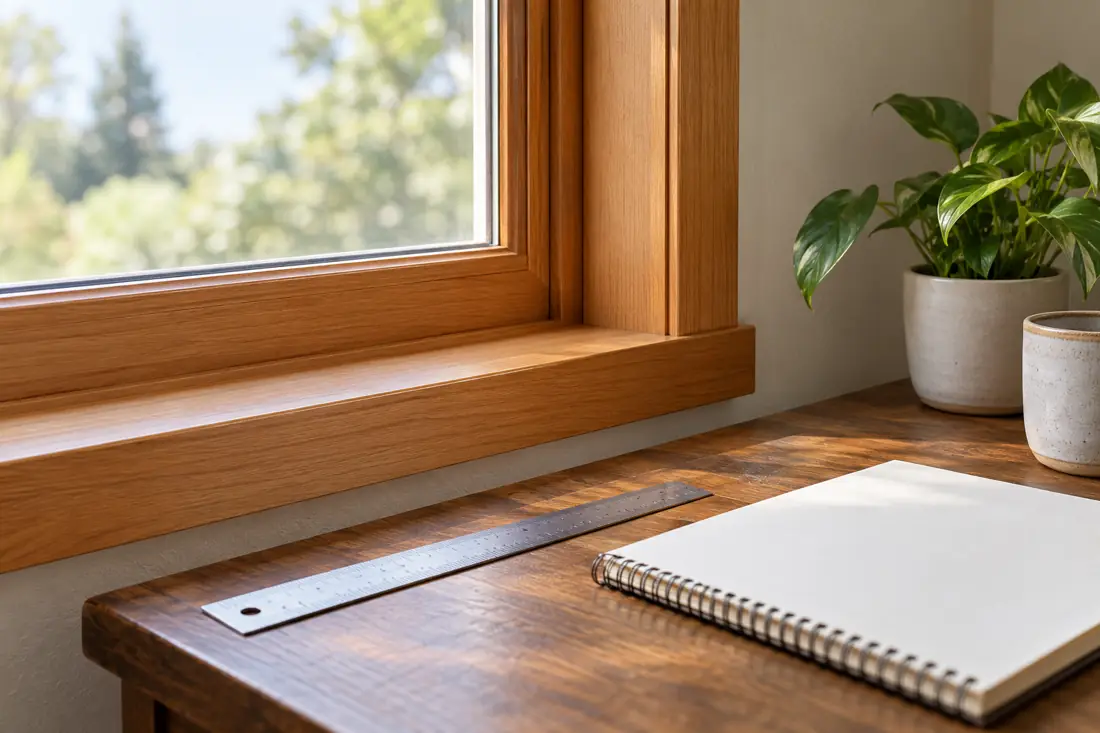
From a safe position, photograph the wider area and then the material itself. Note whether it is below a window, baseboard, door frame, ceiling or another accessible surface. Record visible moisture, recent drilling or repair, and any insects you actually saw. Do not state that a hole connects to the pile unless an assessment establishes that relationship.
Include a ruler only if it can be placed without touching debris or entering an unsafe area. Save the original image and date it. If the wood is unstable, near electrical equipment, or affected by suspected rodent waste, stop and ask an appropriate professional rather than disturbing it for a clearer picture.
Compare an ant with a termite carefully

If you see a winged insect or can safely retain a specimen, a trained identifier can compare its body features. The University of Minnesota explains differences between ants and termites, including the antennae, waist and wings. Preserve the insect in a closed container and ask the service what photographs or specimen preparation it accepts. Avoid handling a live insect directly.
One ant seen indoors does not locate a nest. Outdoor carpenter ant nests and indoor moisture-damaged wood are different possibilities; a photographed insect does not by itself identify the source. Likewise, a pile cannot be classified solely by color or a small change in grain size.
Treat moisture as a separate question
Carpenter ants can be associated with moist or decayed wood. A visible leak, persistent dampness or soft wood deserves attention whether or not an insect is identified. Document the location and arrange a qualified building or plumbing assessment where needed. Do not assume a moisture stain is a pest sign, or that a pest treatment alone resolves the underlying moisture problem.
Keep inspection and repair records together: date, location, what was observed and who assessed it. If a contractor removes material, ask whether the accessible finding can be photographed first and whether a specimen should be retained safely for identification.
Avoid destructive tests and premature treatments
Do not drill, cut into a wall or disturb structural wood to determine whether a hidden gallery is active. A pest guide cannot assess load-bearing condition. Similarly, avoid applying insecticides to an unidentified pile or into inaccessible voids; the product and use must match its label, and diagnosis can require professional inspection.
If the affected area is a shared building, notify the person responsible for the structure and record the report date. Ask the inspector to distinguish confirmed insect identification, visible wood condition, inaccessible areas and any recommended structural review.
Use a dated follow-up, not a freshness guess
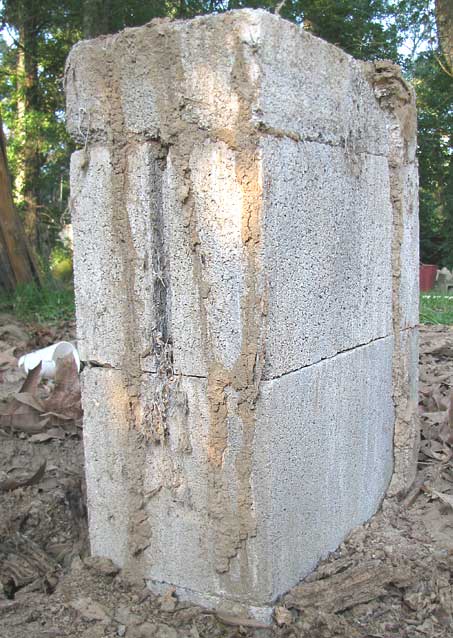

After appropriate cleanup or repairs, retain the baseline photographs and note exactly which area was addressed. A later pile at the same place is a new observation, not automatic proof of the species or continuing nest activity. If safe, take a new photograph from the same location and give the original and later records to the professional.
Ask what alternative causes remain, whether a specimen or inaccessible cavity needs examination, and when reinspection is warranted. A single empty check or treatment receipt cannot demonstrate that the whole structure is clear.
Field comparison: record what you know
| Observation | Useful record or action | Limit |
|---|---|---|
| Coarse sawdust-like material | Photograph safely and note its location | The pile alone cannot confirm carpenter ants. |
| Recent drilling or renovation | Record the work and date if known | Construction debris is one alternative. |
| Visible insect | Save a clear image or specimen safely | A sighting does not locate a nest. |
| Moist or soft wood | Arrange the appropriate building assessment | Moisture damage and pest identification are separate questions. |
Continue in the field guide
Common questions
Do carpenter ants eat wood?
No. University of Minnesota Extension explains that they excavate galleries in wood for nesting rather than eating it. The material they remove may appear sawdust-like, but other materials can look similar. An inspection and, when possible, insect identification are needed before assigning a cause.
Can I identify carpenter ants from a pile?
A pile can direct an inspection but is not a species identification. Note where it was found and whether insects, moisture, recent construction or damaged wood are also observed. A professional can consider these clues together and explain which areas could not be inspected.
Does the debris show whether activity is current?
Not reliably by itself. The age of loose material may be uncertain and disturbance can move it. Establish a dated baseline after safe assessment and record later changes as separate observations. A professional can decide whether additional inspection, identification or repair is warranted.
Should I cut a hole to find a nest?
Do not open walls or structural components simply to confirm a suspicion. Hidden wiring, plumbing, unstable material and contamination can make invasive inspection unsafe. Ask a qualified pest or building professional what access is needed and who is responsible for making and repairing it.
Is wet wood always caused by insects?
No. Plumbing, condensation, weather intrusion and other building issues can cause damp or damaged wood. A moisture assessment and pest identification answer related but separate questions. Fixing a confirmed moisture problem may be part of management, but it does not by itself identify the pest or assess structural integrity.
What should I ask an inspector to document?
Ask for the locations actually examined, the physical features observed, whether an insect was identified and by whom, and what spaces remained inaccessible. Request the basis for any treatment or further structural assessment. Keep photographs and the inspection date so that later findings can be compared with the original record.
Sources and further reading
The observation checklists are our editorial organization of the topic. Linked organizations have not reviewed or endorsed this article.