PEST EVIDENCE GUIDE / PEST FAMILY
Pantry pests and food evidence
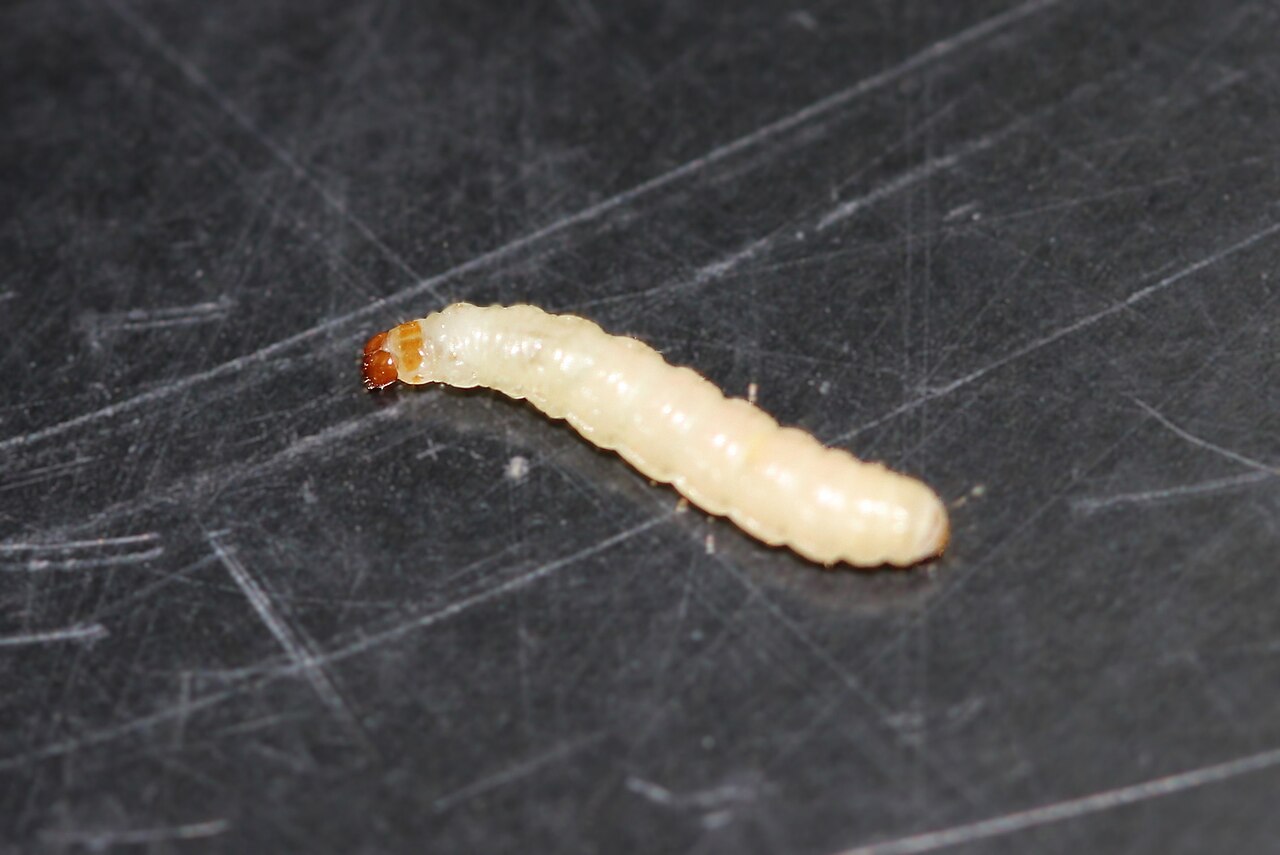
Follow larvae and webbing back to affected stored food. Keep the original finding location and date with each photograph. The guides below explain useful comparisons and when to request qualified help.

THE RELEVANT EVIDENCE
Guides in this collection
FROM THE JOURNAL
Go a step further.
01Room checklistsPantry moth larvae on the ceiling: follow the food evidenceUse a shelf-by-shelf record to investigate a wandering larva without assuming the ceiling is its food source.02Pest life cyclesPantry moth life cycle: eggs, larvae, pupae, and repeat sightingsUnderstand pantry moth stages, why adults can appear after cleaning, and how to distinguish a lingering sighting from an overlooked food source.03Pantry monitoringPantry moth pheromone traps: what catches actually tell youUnderstand pantry moth trap catches, check the lure and food sources, and compare monitoring records without mistaking traps for complete control.04Moth identificationPantry moth vs clothes moth: which source should you check?Compare food evidence, fabric damage, adult appearance, and trap labels to decide where to investigate small moths in your home.05Prevention and storageBugs in cardboard boxes: inspect the item and its contents separatelyA practical record for an insect found in stored or incoming boxes, without assuming what it feeds on.06Prevention and storagePantry pest prevention: make stored food easier to checkUse package labels, storage dates, and a simple shelf map to make future pantry evidence easier to interpret.