FIELD JOURNALPantry monitoring
Pantry moth pheromone traps: what catches actually tell you
Understand pantry moth trap catches, check the lure and food sources, and compare monitoring records without mistaking traps for complete control.
IN BRIEF
Indianmeal moth pheromone traps attract male moths and help monitor activity. They do not remove all life stages or identify the infested package. Pair trap records with a search for affected stored foods.

A sticky card full of moths looks like a clear result. The difficult part is deciding what it means. A trap is a sampling device with a particular lure, location, and period of use. Its catch is useful when you preserve those details.
What a pheromone trap measures
Colorado State University describes Indianmeal moth pheromone traps as tools for detecting male moths. It cautions that trapping alone is unlikely to control an infestation. Finding and managing the food sources remains essential.
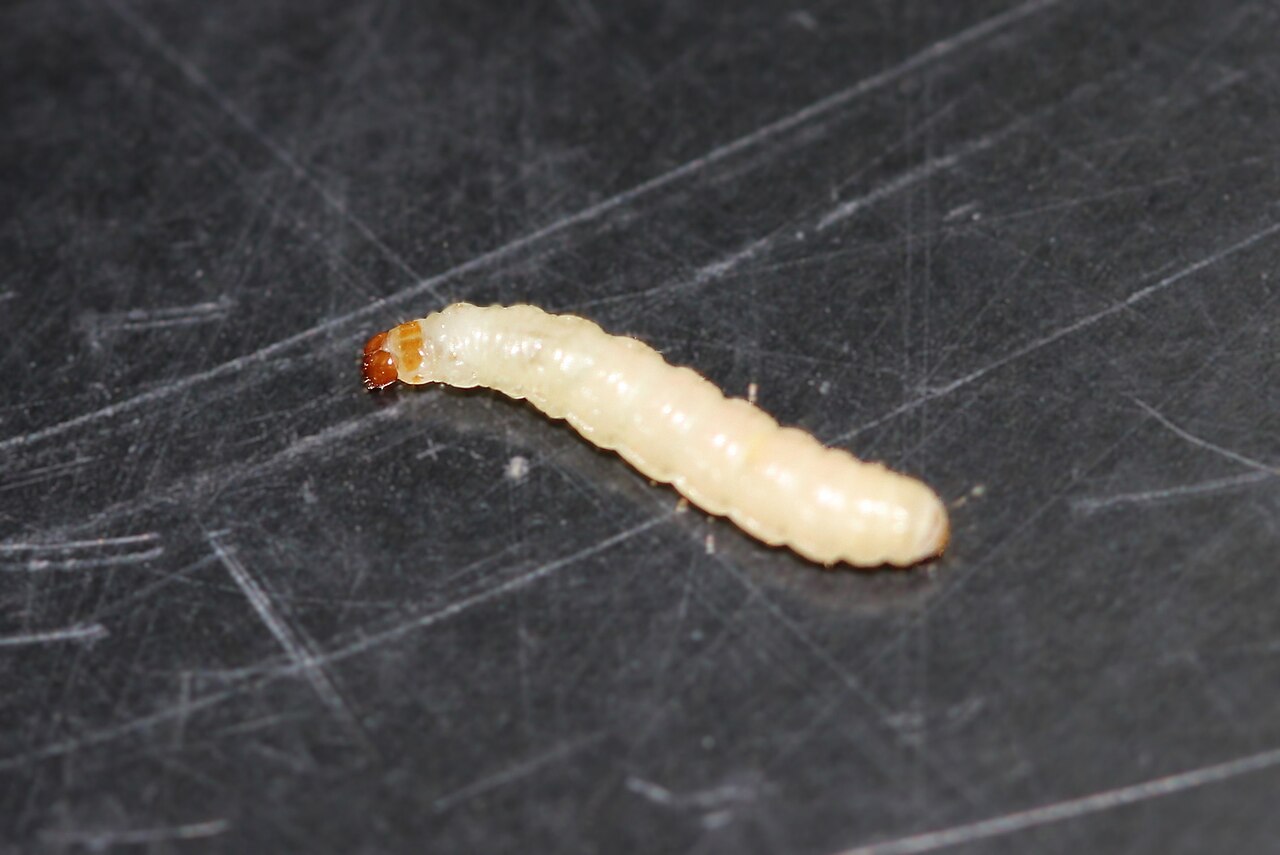
Keep “moths caught” separate from “moths in the home.” A catch count is not a census. If you need to confirm the insect, begin with the pantry moth larvae guide and the pantry-versus-clothes-moth comparison.
Check these details before interpreting a count
Read the trap instructions and record the target pest, installation date, and replacement guidance. Keep a photograph of the package for your own record. Use a stable location name rather than “the kitchen trap,” especially if you have more than one.
| Detail | A usable entry | A missing detail that limits comparison |
|---|---|---|
| Target | Species or pest group printed on label | “Moth trap” with no target recorded |
| Location | Pantry shelf A, fixed position | Trap moved between rooms |
| Duration | Dates and usable nights | Start date unknown |
| Condition | Usable throughout the period | Wet, missing, or covered adhesive |
| Count | New captures since the last recorded check | Old captures counted again |
If the lure or location changes, mark the change rather than joining the two periods as though the setup stayed the same. Follow label directions for placement around food, children, and pets.
Search the food while the traps monitor adults
University of Minnesota Extension recommends inspecting stored products and removing infested food. Include dry pet food and bird seed in the search. Check for larvae and webbing at the individual-package level; an adult flying nearby cannot name the source.
Use the pantry storage record to list checked items and dates. If you remove an affected product, note that action beside the trap record. A later change in catches then has useful context without becoming proof of cause.
Keep unrelated pest findings separate. A beetle in stored food may need a different identification route; the presence of a moth trap does not make every insect on it the target species.
Compare effort before comparing totals
Six captures from two traps over seven nights and six captures from four traps over seven nights have equal totals but different observation effort. The first period has 14 trap-nights; the second has 28. Their rates are approximately 0.429 and 0.214 captures per trap-night.
This is an arithmetic example, not field data or a treatment threshold. The lower rate cannot establish a smaller infestation because trap positions, lure performance, and other conditions may differ. Doubling trap numbers can also change the sampling arrangement.
The trap-monitoring calculator shows the denominator and only displays a percentage comparison when you confirm the setups are comparable. For a changed setup, retain the descriptive rates and explain the difference instead.
When traps seem to have stopped working
Check the record first. Was the target identified? Was the lure replaced as instructed? Was the trap moved, obscured, or left beyond its usable life? Were you counting new moths or the same ones again? These questions explain gaps in a monitoring record without guessing a failure mechanism.
Then revisit source information. Larvae on a ceiling may be away from the feeding site. A ceiling finding and an empty shelf trap are not necessarily contradictory. Photograph each and preserve its location.
What to bring to a professional
Bring the trap label, dated counts, location sketch, and food inventory. Ask whether the identified species matches the lure and whether the source search missed an inaccessible area or overlooked product. Ask what follow-up would be meaningful for your actual setup.
Print a monitoring summary and attach it to an inspection brief. Keep the conclusion modest: these are the insects you caught with these devices over these dates. That is useful evidence without claiming complete control.
Common questions
Why do I still see moths after putting out traps?
The traps target male adults. They do not remove every life stage or the food source. Recheck stored products and the trap label; continued sightings deserve a source investigation.
Does an empty pantry moth trap mean the problem is gone?
No. Confirm that the lure targets the identified moth, remains in its usable period, and is placed according to the label. An empty trap records no captures under those conditions.
Will more traps solve the infestation faster?
Follow the manufacturer’s placement and quantity instructions. Adding traps changes your monitoring effort and does not replace finding affected food.
How should I compare two weeks of catches?
Record the active traps and nights for each period, and compare only the same identified pest with comparable equipment and placement. Keep source removal and other changes in the notes.
Sources and further reading
The observation checklists are our editorial organization of the topic. Linked organizations have not reviewed or endorsed this article.