FIELD JOURNALMoth identification
Pantry moth vs clothes moth: which source should you check?
Compare food evidence, fabric damage, adult appearance, and trap labels to decide where to investigate small moths in your home.
IN BRIEF
Check what the larvae are feeding on. Food webbing points toward a pantry-pest investigation; damage and silk associated with susceptible fabrics point toward clothes moths. A moth in a bedroom or kitchen alone cannot settle the identification.
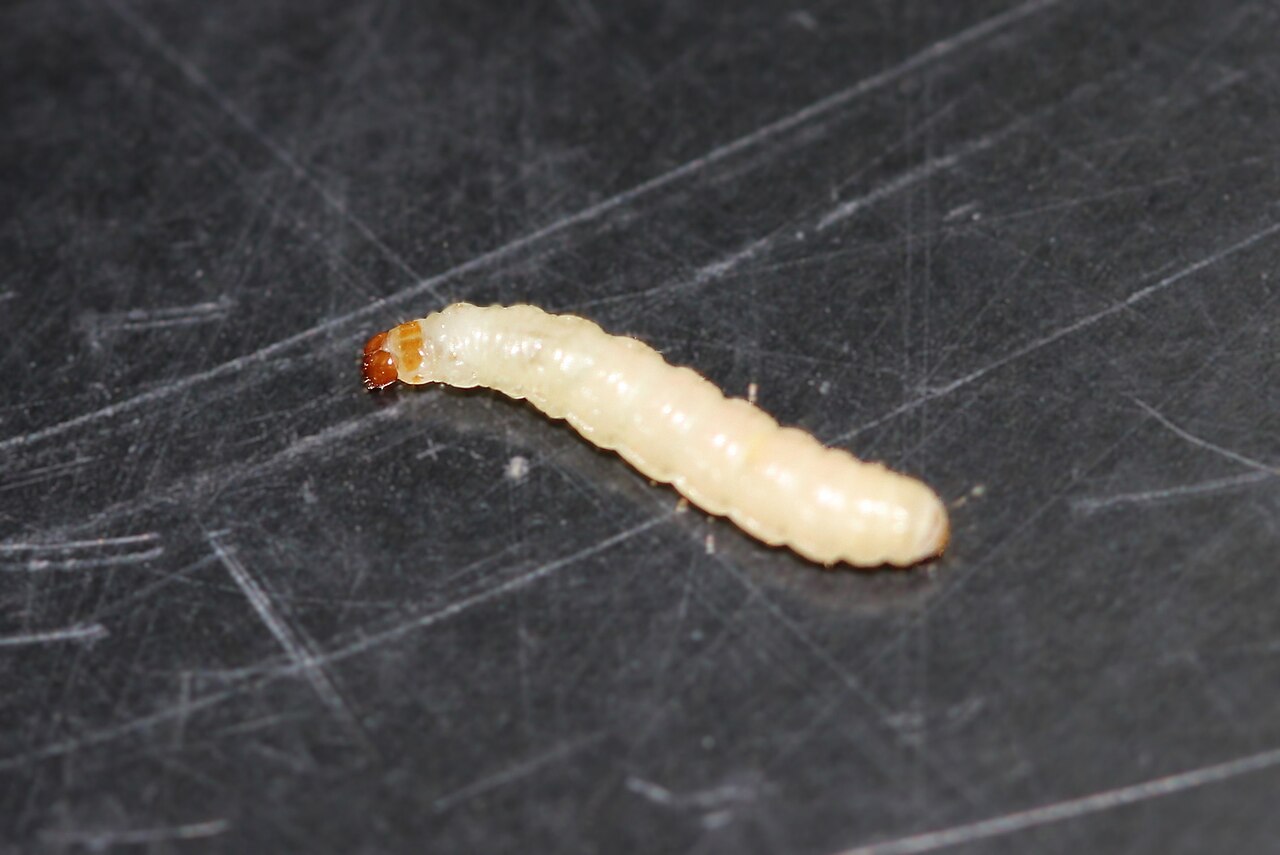

The room name is an unreliable shortcut. A moth over a bed may have wandered from stored food, while a moth near a kitchen closet may be associated with a textile. Begin with two questions: what does the insect look like, and where is there evidence of feeding?
Compare the evidence that separates the two
UC IPM’s clothes-moth reference and Colorado State University’s Indian meal moth reference describe the distinctions below. “Pantry moth” here primarily means the Indianmeal moth; other stored-product insects also occur.
| Clue | Indianmeal moth | Clothes moths |
|---|---|---|
| Adult appearance | Forewings commonly show a pale inner area and bronze outer portion | Webbing clothes moths are gold; casemaking species can show spots |
| Stronger source evidence | Larvae or silk associated with stored food | Larvae, silk, or cases associated with susceptible fabric |
| Materials to investigate | Dry goods, pet food, bird seed | Wool, fur, feathers, and other susceptible animal materials |
| Trap choice | Label must target pantry/Indianmeal moths | Label must target the relevant clothes moth |
Appearance varies with lighting and damaged wings. Use a photograph of the whole insect and a source record together. Do not select a trap solely because the package says “moths.”
Start a two-column source inventory
This is an editorial search method, not a test that diagnoses a species. On one side, list food storage. On the other, list fabric storage. Mark each item as not checked, checked without visible evidence, or evidence found. Keep “could not access” as a separate result.
For example, a bedroom may contain a wool blanket and a forgotten bag of pet treats. Both belong in the inventory. Inspect them separately and retain the location of each observation. Finding an adult between them does not connect it to either item.
The pantry larvae guide explains food-associated clues. If you find hairy larvae or cast skins near textiles, use the carpet beetle larvae guide before concluding that moths caused the damage.
What to photograph before reorganizing
Take one image of the insect and one of the affected material in place. Include a size reference without covering the specimen. Save a third image of a label when it helps identify a food product or fabric composition. A short filename such as “closet-shelf-A-October-16” makes the photographs easier to match to your notes.
For fabric damage, record whether you found silk, a portable case, a hairy skin, or only a hole. For food, record the individual package and the evidence inside or on it. Do not dump suspect goods together; doing so destroys the connection between a finding and its source.
Choose the next action from the source evidence
Keep affected items separate while you obtain identification or follow appropriate Extension guidance. Food and fabric need different handling. The care label matters for textiles, especially wool, leather, and delicate heirlooms. Do not improvise a heat treatment that could damage the item.
For a food-associated problem, use the pantry storage record. For a textile-associated problem, the closet observation article helps organize item-level evidence even when the insect identity is still provisional.
Avoid interpreting an empty trap as an all-clear
The wrong pheromone lure can leave a trap empty while the actual pest remains elsewhere. Before interpreting catches, record the label’s target, where the trap was placed, and when it was installed. Our pantry moth trap guide explains what those catches can tell you.
When you have comparable records, use the monitoring calculator to summarize effort and catches. Keep the source inventory alongside it: fewer adults in a trap does not certify that every food package or textile is free of immature insects.
When the comparison remains uncertain
Send the intact-insect photograph and the strongest source evidence to an identification service. Ask for the identification and its confidence, then ask whether a different photograph or specimen is needed. Do not label all small moths in a home as one species simply because one example was identified.
Common questions
Do pantry moths go into bedrooms?
Adult moths can be found away from the food where they developed. A bedroom sighting does not make a moth a clothes moth. Compare the insect and inspect possible food and fabric sources.
Will a pantry moth trap catch clothes moths?
Pheromone lures target particular moths. UC IPM explains that grain-moth pheromone traps do not attract clothes moths. Check the target species on the label.
How do I find moths when I cannot find the source?
Keep separate food and fabric inventories, record which items you inspected, and photograph the adult. If the evidence remains unresolved, request identification before buying a species-specific trap.
Are holes in clothes proof of clothes moths?
No. Carpet beetle larvae and other causes can produce fabric damage. Look for the insect, associated silk or shed skins, and a clear connection to the damaged item.
Sources and further reading
The observation checklists are our editorial organization of the topic. Linked organizations have not reviewed or endorsed this article.