FIELD JOURNALWood evidence
Termite droppings but no termites: what the evidence means
Found pellets without seeing termites? Learn what to document, why old and active evidence can look similar, and what to ask an inspector.
IN BRIEF
Drywood termites can remain inside wood while pellets appear outside it. Not seeing termites does not rule them out, and pellets alone cannot establish current activity. Arrange identification and a licensed inspection for a credible suspected finding.
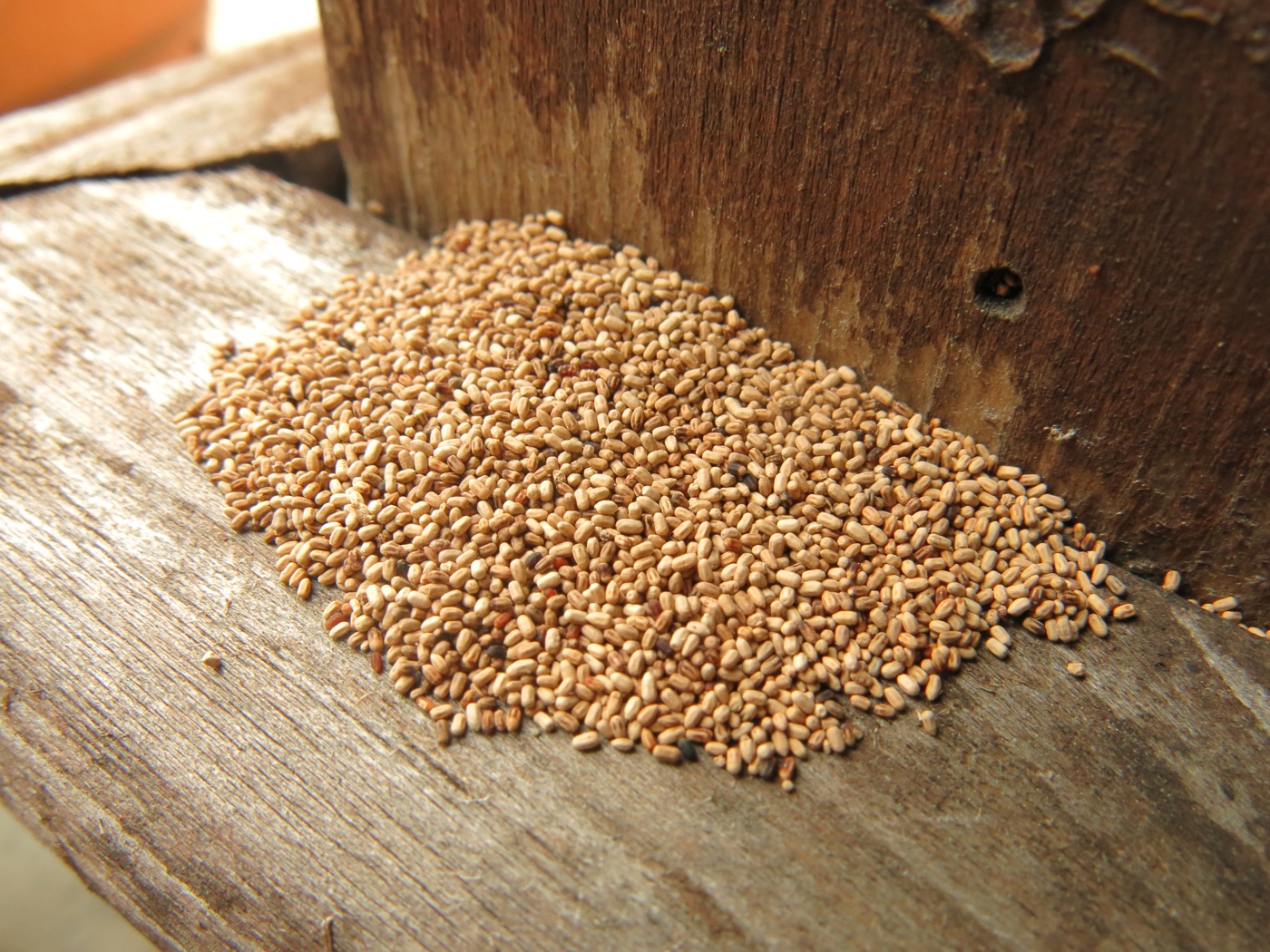

A small pile below a window frame can look fresh even when no insect is visible. There are two separate questions to resolve: are the objects termite pellets, and what do they show about this particular piece of wood? Keep those questions separate when you describe the finding.
Why you may see pellets without seeing insects
UC IPM explains that drywood termites live within wood and expel fecal pellets through small openings. Their pellets have characteristic longitudinal ridges. Loose debris needs careful identification, and pellet presence alone cannot establish whether the infestation remains active. Movement of a building or wood can release existing material.
The termite droppings guide covers appearance and reference photographs. This article focuses on the next decision when insects are absent. A photo cannot determine hidden damage or the scope of treatment.
Record the pile before changing the scene
Take a room-level photograph, a closer picture showing the pile and nearby wood, and a detailed image with a scale if you can do so safely. Do not climb onto unstable furniture, open a ceiling, or drill into wood to obtain evidence.
Use these fields in the inspection brief:
| Field | What to write | Why it helps the handoff |
|---|---|---|
| Location | Named window, door frame, beam, or furniture item | Prevents an inspector from examining the wrong feature |
| First noticed | Date, or “date unknown” | Separates observation time from an assumed infestation date |
| Material above | What is actually visible | Preserves the context of where debris may have fallen |
| Recent work | Moving furniture, repairs, or vibration you know occurred | Gives context without claiming it caused the pile |
| Prior records | Available inspection or treatment documents | Lets the professional review the actual history |
If you have no earlier photograph, do not say the pile appeared overnight. “First noticed this morning” is a more defensible description.
Check alternatives without diagnosing from a pile
The inspector may need to distinguish pellets from other wood-associated debris. Our carpenter ant frass guide provides a comparison. Do not assume that any material below wood is termite waste, or that finding a possible alternative makes the wood sound.
A pile on a floor and a suspicious mark above it should initially be two entries. Link them as “possibly associated” until there is evidence connecting them. This keeps an attractive explanation from becoming a fact in the record.
What to do if the pile appears again
Arrange the inspection first. If a professional recommends clearing a documented area for follow-up, record the exact date and what was done. Keep photographs before and after. Record subsequent material without describing it as “newly produced” unless the professional can support that conclusion.
An illustrative record could say: “Pellets photographed below frame A on October 16. Surface cleared after advice on October 17. Additional similar material photographed October 20; window repair took place October 19.” This is an example of record structure, not a recommended waiting interval or a test for activity.
Our old termite damage article explains why an old repair, old debris, and present activity need different evidence. Do not postpone an inspection while trying to resolve all of them yourself.
Questions to put to the inspector
Ask what supports the identification and whether activity was directly observed. Request a distinction between inspected areas, inaccessible areas, and suspected locations. Ask which conclusions concern pest activity and which require a structural assessment.
If treatment is proposed, ask what area it addresses and what follow-up will document. Keep the written findings with the original photographs. A summary such as “termites” omits the evidence and limitations you may need when comparing later advice.
Preserve a useful record without keeping a hazard
Use the evidence log to store the observation locally, then export a copy for your own records. Follow the identification service’s instructions before collecting or mailing material. Do not keep unknown waste loose in a household container or mix samples from separate locations.
The useful outcome is a documented finding and a qualified assessment. Neither an empty visual check nor an undisturbed pile provides a reliable do-it-yourself all-clear.
Common questions
Can termite droppings appear without visible termites?
Yes. Drywood termites live within wood, while expelled pellets can collect outside. A visible insect is not required before asking for an inspection.
Does a new pile mean the termites are active?
It is useful evidence, but not proof on its own. UC IPM notes that building movement can release pellets. Record recurrence and disturbance history for the inspector.
Can pellet color tell me how old the droppings are?
Do not use color to date a pile or choose treatment. Document its position and shape, and ask an inspector to assess identification and activity.
Should I wait until I see a termite?
No. A credible suspected pellet finding warrants professional identification and inspection. Waiting for a visible insect is not a necessary step.
Sources and further reading
The observation checklists are our editorial organization of the topic. Linked organizations have not reviewed or endorsed this article.