FIELD JOURNALWood and structure
Old termite damage: questions that help assess current activity
Separate the age of visible damage from the evidence needed to decide whether termites are active now.
IN BRIEF
Keep the discovery date separate from the damage date. Prior records, current inspection findings, and clearly dated follow-up observations are more useful than a color-based guess.
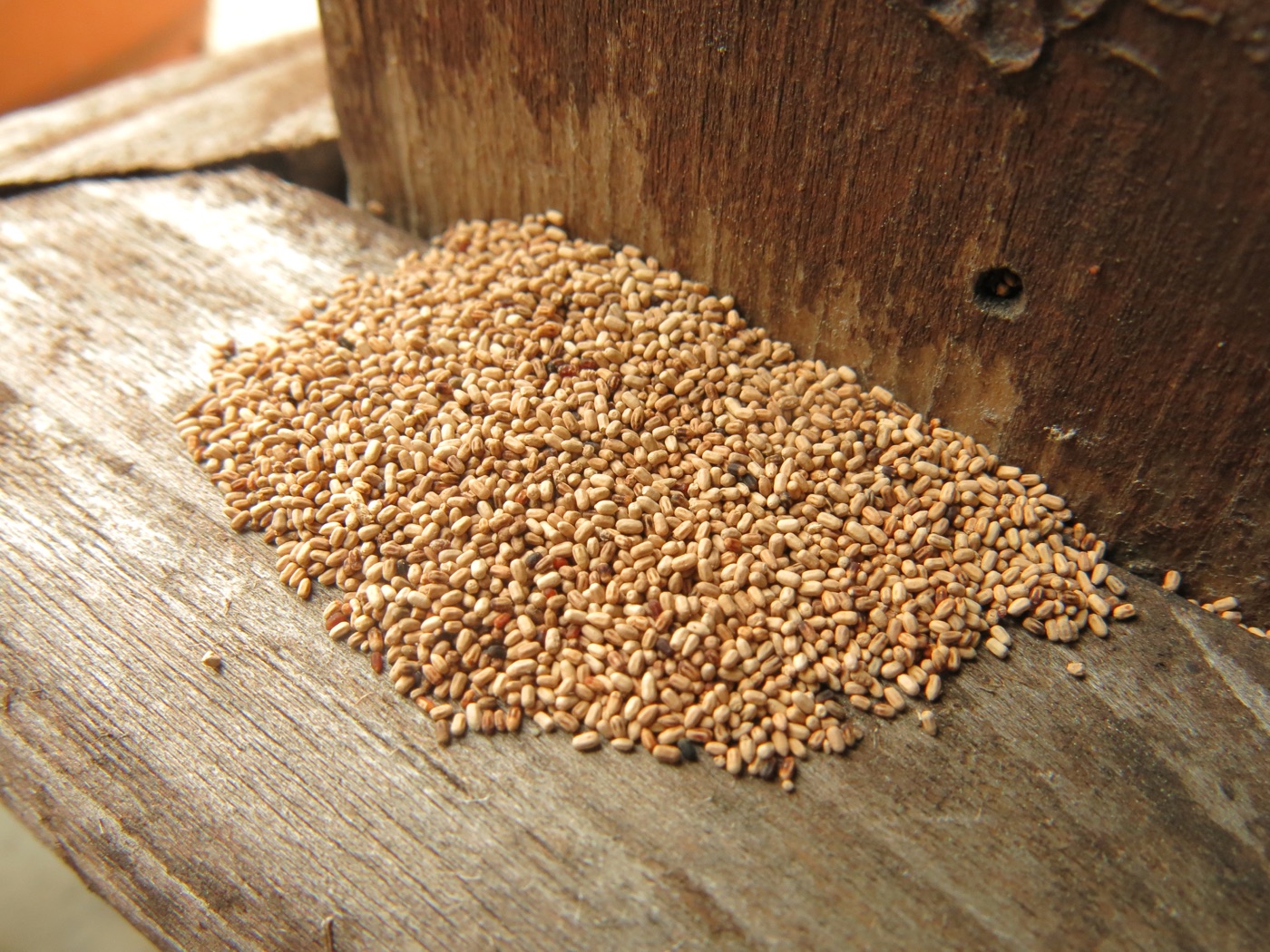

Damage can remain after the event that produced it. A new owner may discover an old mark, and repairs or movement can expose previously concealed debris. “I noticed it today” records a discovery date; it does not establish when the damage happened.
Preserve the baseline
Photograph the accessible area before repairs cover it. Include an overview, a close-up, and any associated evidence. Record recent work that may have exposed or disturbed the material. If you do not know the history, explicitly mark it unknown.
The damage guide is a starting comparison, not a way to date wood damage from color.
Gather records that already exist
Collect prior inspection reports, repair invoices, treatment records, and dated photographs if available. Keep the original dates and distinguish the property owner’s recollection from a written record. An old treatment record does not independently prove either current activity or current absence.
You do not need to reconstruct a perfect building history. A short list of known events and gaps is more useful than a confident timeline assembled from guesses.
Sort the evidence by the question it can answer
| Record or finding | Useful for | Does not establish by itself |
|---|---|---|
| Dated photograph before a repair | Comparing a visible area over time | Conditions behind the surface |
| Treatment invoice | What work was documented on that date | Present absence of termites |
| A current identified specimen | Identity and observed activity at that location | The full extent of concealed damage |
| Newly discovered debris | A location to investigate | When the debris was produced |
| A structural assessment | Condition within that assessment’s scope | A separate pest identification |
This sorting step prevents old paperwork and current observations from becoming one undated story. Retain the wording of a previous report. “No visible evidence in accessible areas” is a narrower statement than “the entire property was clear.”
What a follow-up plan should specify
Ask the inspector to name the exact area to observe, whether it should be left undisturbed, what change matters, and how to report it. Do not improvise by breaking a tube or scraping wood. The UC IPM termite reference is background for the inspection discussion, not a substitute for an activity assessment at your property.
A practical plan includes a baseline photograph, a location label, the agreed observation date or interval, and a contact route. If access changes because of a repair, record that before comparing new photographs. A different camera angle, better light, or newly exposed wood can create an apparent change in the image.
Ask for a clear closing statement
After the follow-up, request a conclusion that fits the evidence: activity identified, finding unresolved, or no new visible evidence in the checked area. Also ask whether any further access or repair assessment is needed. Avoid replacing that wording with a stronger guarantee when sharing the result with someone else.
If powderpost beetle evidence or carpenter-ant damage becomes a better explanation, preserve the original observation and the revised identification. An accurate correction improves the history. It is more useful than keeping a termite label solely because it was the first assumption.
Common questions
Does an old treatment invoice prove the property is clear now?
No. It records past work. Current activity and current structural condition need their own evidence.
Is inactive damage automatically safe to leave?
Not necessarily. Whether pests are active and whether damaged structural material is sound are separate questions.
How should I compare before-and-after photographs?
Use the same location and safe viewpoint, and record repairs or changes in access. Newly exposed wood or different lighting can change what is visible without establishing new pest activity.
What should an activity follow-up plan include?
Ask for the precise location, the baseline, what change matters, when to observe it and whom to contact. Follow the inspector’s instructions about leaving material undisturbed.
Sources and further reading
The observation checklists are our editorial organization of the topic. Linked organizations have not reviewed or endorsed this article.