FIELD JOURNALWorking with professionals
Questions to ask a pest professional before agreeing to treatment
Use the evidence record to discuss identification, scope, alternatives, and follow-up with a pest-control provider.
IN BRIEF
Ask what identifies the pest, what the proposal covers, and how results will be assessed. Verify provider details and understand written terms before agreeing to work.
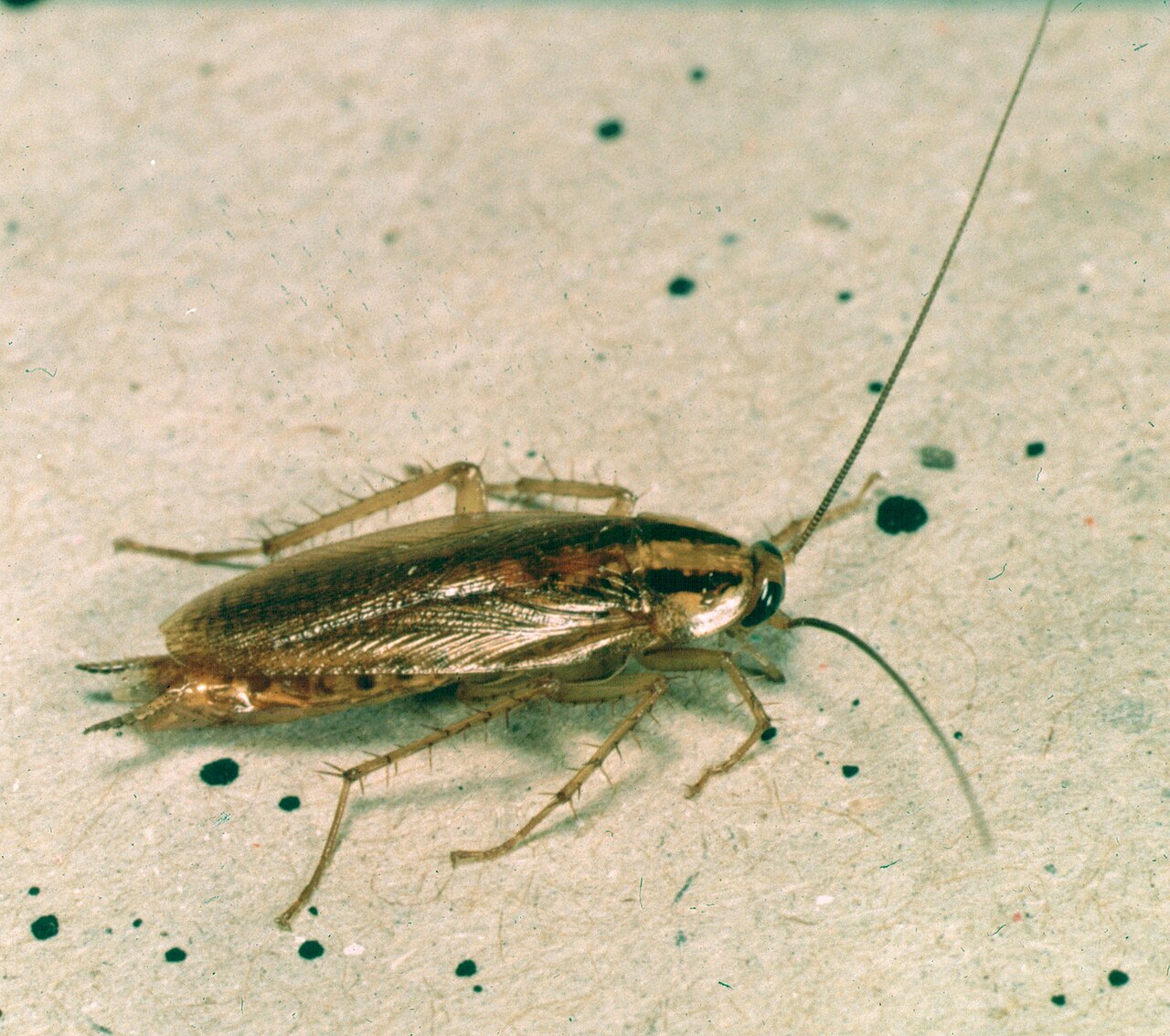

A pest-control proposal is easier to evaluate when it starts with the actual finding. EPA advises asking questions about the company and the proposed work. Bring your observation record so the discussion can distinguish a confirmed pest from an unresolved clue.
Ask what has been identified
Start with “What evidence identifies the pest?” Ask whether the conclusion comes from an intact specimen, a sign, or a broader inspection. If uncertainty remains, ask what would resolve it before choosing a treatment.
Our guide directory can help you describe the clue, but a page match should not be presented as a professional diagnosis.
Compare proposals on the same worksheet
EPA’s service-selection guidance encourages checking qualifications and understanding the work proposed. The table below is our comparison worksheet. Fill it with each company’s written answer rather than assigning a score based on sales language.
| Question | Proposal A | Proposal B |
|---|---|---|
| What pest or evidence was identified, and how? | [answer] | [answer] |
| Which rooms or areas are included? | [answer] | [answer] |
| Which areas remain inaccessible or excluded? | [answer] | [answer] |
| What nonchemical measures and maintenance are proposed? | [answer] | [answer] |
| If pesticides are proposed, what products and instructions apply? | [answer] | [answer] |
| What preparation, access and re-entry instructions apply? | [answer] | [answer] |
| How will progress and follow-up be assessed? | [answer] | [answer] |
| What is included in the price and written guarantee? | [answer] | [answer] |
Do not treat an empty answer as a completed requirement. Ask for clarification and retain it with the proposal. A lower price may cover a different area or fewer visits; an expensive proposal may still leave the evidence question unanswered.
Verify the person and the scope
Use the relevant state pesticide authority to check a credential where licensing applies. Ask which person or business holds the credential and whether the proposed work falls within it. Confirm insurance and other representations through appropriate documents. This article does not determine local licensing law or certify a provider.
Ask whether an identification is firm or provisional. If the proposal depends on a pest name that nobody has confirmed, ask what evidence would resolve it. A service may reasonably include an inspection first; make sure the distinction appears in the scope.
Turn a guarantee into practical questions
Read the actual terms. Ask what event triggers another visit, how to report it, which findings or areas are excluded, and whether follow-up has a separate charge. Keep the answer in writing. A broad marketing phrase does not explain those conditions.
Clarify who is responsible for related maintenance, such as a leak or damaged access point. Do not assume the pest service price includes building repair or contaminated-material removal unless the proposal says so.
Prepare for the first visit and the last one
Before work starts, obtain instructions specific to your property and the proposed method. Share relevant access and household circumstances privately. Afterward, keep the report, product information provided, completed actions and follow-up date together.
Ask how the professional will decide whether the objective has been met. The result should connect to the original finding and agreed scope. Your observation record helps make that discussion concrete without attempting to replace the professional’s assessment.
Common questions
What should I ask before discussing a treatment product?
Ask which evidence identifies the pest and whether uncertainty remains. Management should follow the actual finding.
Can I compare proposals by price alone?
A useful comparison also needs the scope, preparation, follow-up, exclusions, and written terms. Ask for clarification where those are missing.
How do I compare two guarantees?
Read the written trigger for follow-up, reporting process, exclusions and any extra charge. Ask each provider the same questions so different scopes are visible.
Does a pest treatment proposal automatically include repairs or cleanup?
No. Ask whether those tasks are included, who performs them and what remains outside the quoted scope. Keep responsibilities in writing.
Sources and further reading
The observation checklists are our editorial organization of the topic. Linked organizations have not reviewed or endorsed this article.