FIELD JOURNALRoom checklists
A termite evidence checklist before a professional inspection
Document accessible wood clues, recent changes, and unanswered questions before an inspector visits.
IN BRIEF
Map accessible wood clues, photograph their context, and record discovery dates and recent repairs. Leave concealed or unsafe areas to a qualified inspector.
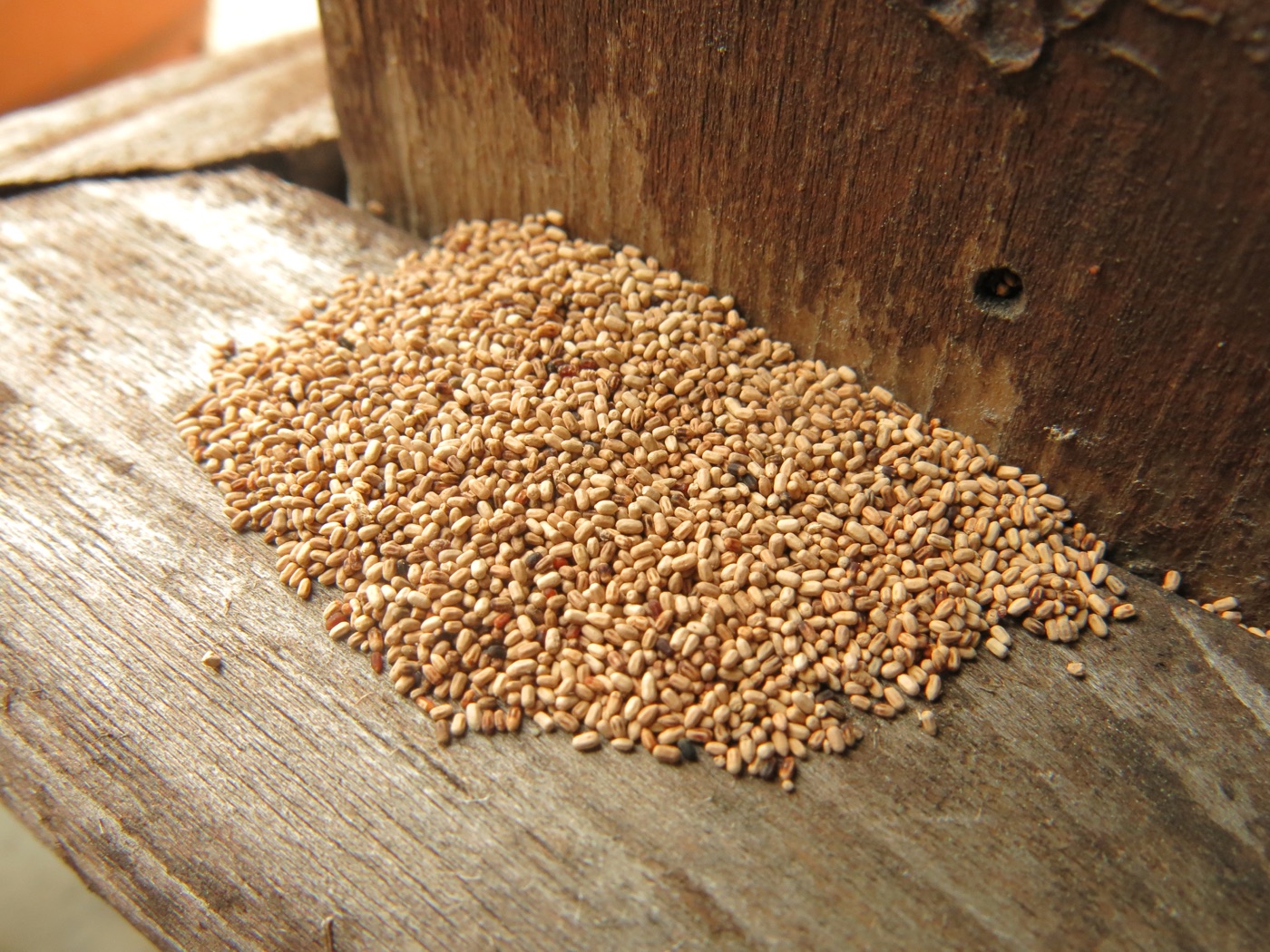

A homeowner’s evidence checklist can make a professional inspection more useful. It cannot replace inspection of concealed areas or a structural assessment. Keep this record limited to places you can observe safely without opening walls, climbing onto roofs, or cutting wood.
Photograph the clue and its surroundings
For each location, take a wider view and a detail view where accessible. Useful comparisons include drywood termite pellets, shelter tubes, wood damage, and shed wings. Keep those findings in separate rows rather than assuming they all have the same cause.
Do not disturb a tube or open a cavity just to obtain a more dramatic picture. An inspector can decide what examination is appropriate.
Add the timing and recent changes
Record when you first noticed the evidence and whether it reappeared. Note recent drilling, sanding, repairs, furniture movement, or a leak in the same area. Old debris can be displaced, so “newly noticed” is more precise than “fresh infestation” unless activity has been confirmed.
If you have older photographs or an inspection report, keep them with the current record. Separate the date of the observation from the date you wrote the note.
A location worksheet for the appointment
Make one row per accessible finding. The examples below describe what to record; they are not reported inspection results.
| Location label | Finding | Timing | Question |
|---|---|---|---|
| G1: inside garage wall | Tube-like material at the base | First noticed today; earlier condition unknown | What made it, and is further inspection needed? |
| W1: bedroom sill | Loose wings; no intact insect retained | Found after window was open | Can these be identified? |
| T1: damaged trim | Exposed channels and loose debris | Visible after a repair | Is there current pest activity or a separate repair issue? |
For each actual row, attach an overview and detail image if safely available. Record whether you observed the finding directly. A contractor’s description belongs in the record with their name or role and the date it was supplied.
Bring documents that change the inspection question
Useful documents include the previous inspection report, the areas covered by an earlier treatment, repair photographs, and records of a known leak. Highlight the exact location involved rather than sending an unsorted folder. If a document says a space was inaccessible, keep that limitation visible in the new request.
UC IPM’s drywood termite guidance explains the difficulty of assessing concealed infestations. Ask the inspector to distinguish inspected, inaccessible and further-investigation areas in the written result. A short inaccessible-area list is useful information, not a defect to hide.
Read the result before closing the task
Check that the report answers the questions raised by your evidence. Does it identify the pest or only describe possible damage? Does it say what supports current activity? Does it address the reported location and note access limits? If structural condition is outside the inspection scope, ask who should assess it.
Request clarification when an observation and conclusion are disconnected. For example, a note about loose pellets should explain the significance the inspector assigns to them. Keep any proposed treatment, follow-up and repair as separate decisions. Use the old-damage workflow when the central question is whether a historical finding is still active.
Common questions
Should I open a wall to look for termite eggs?
No. Record accessible evidence and let a qualified inspector decide how concealed areas should be examined.
Does a newly noticed pellet pile prove current activity?
No. Record when it was noticed and whether wood was recently disturbed. An inspector must interpret the activity evidence.
What documents are worth bringing to the inspection?
Bring relevant prior inspection and treatment records, repair photographs and known leak dates. Highlight the locations that correspond to the current finding.
What if the report lists an inaccessible area?
Keep the limit in the record and ask whether further access or investigation is recommended. An inaccessible area should not be treated as an area proven clear.
Sources and further reading
The observation checklists are our editorial organization of the topic. Linked organizations have not reviewed or endorsed this article.