FIELD JOURNALField methods
A household pest observation checklist you can reuse
Separate direct sightings from assumptions and build a concise record for an inspector or extension office.
IN BRIEF
Record the date, exact location, direct observation, approximate scale, uncertainty, and next step. Keep a later professional conclusion separate from the original finding.
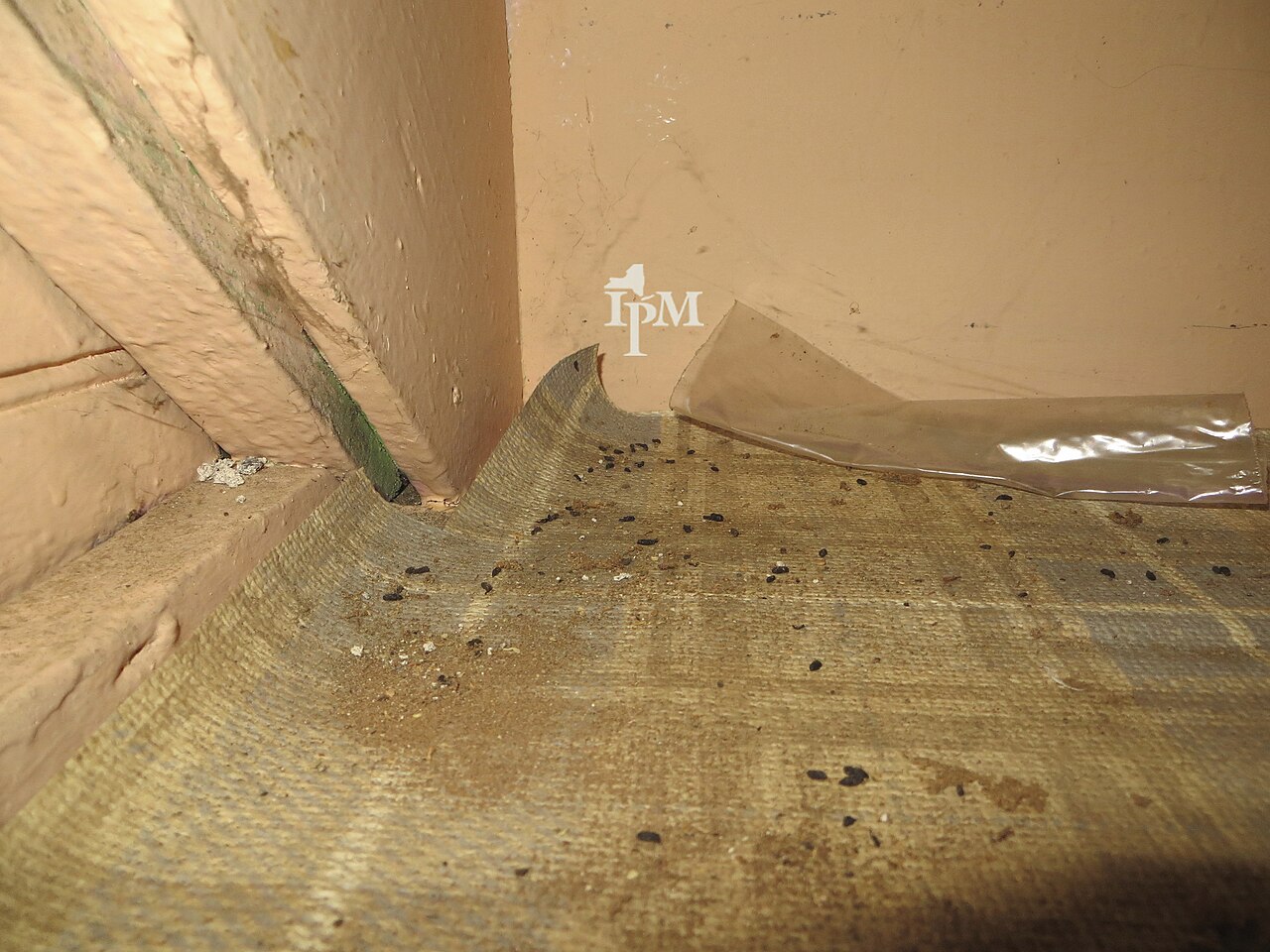
.jpg)
A useful pest record is a small collection of dated observations. It should let someone who was not there understand what you saw, where you saw it, and what is still unknown. This checklist is designed for that handoff. It is not a professional inspection certificate or a pest-free guarantee.
Choose a recording route before starting
Use the type of finding to decide what can be recorded safely. A photograph is optional; a written observation is still useful when a closer view would mean touching waste, entering a roof space, or moving a heavy object.
| Finding | Useful record | Question for the next person |
|---|---|---|
| A live insect on an accessible surface | Full-body image, approximate body length, place and time | Can this specimen be identified? |
| A stain, skin, or suspected egg | Overview plus detail; material it is on | What would distinguish this from a lookalike? |
| Wood damage or a tube | Location sketch and accessible photographs | Who should assess activity and structural condition? |
| Suspected rodent or wildlife waste | Existing view from a clean, safe position | What identification and cleanup assessment is appropriate? |
For the last row, use the CDC rodent cleanup instructions when rodents are involved. Do not sweep or vacuum suspected rodent waste to prepare the scene for photographs.
Copy this observation card
- Record ID: a short label, such as K1, that also appears in photo filenames.
- Seen on: date and approximate time; write “time unknown” when needed.
- Location: room, object, and side or surface.
- Visible finding: number actually seen, shape, color, movement, and scale.
- Context: recent deliveries, repair, cleaning, or a directly observed leak.
- Access limits: surfaces concealed, out of reach, or unsafe to approach.
- Files: original photo filenames kept outside this website.
- Question: the one decision you need help making.
- Follow-up: who assessed it, when, and what they actually concluded.
For example, “K1: three small dark objects on the left shelf below the sink; no animal seen; underside inaccessible” preserves information that “mouse infestation” would replace with an assumption. This is an illustrative entry, not a reported household case.
Keep an observation separate from its interpretation
“Four dark pellets below the cabinet” is an observation. “Four mice are living in the wall” is an interpretation that those pellets cannot establish. Keep both the visible evidence and your question, but do not merge them into a confirmed finding.
The same rule applies to stains, skin symptoms, or a sound behind a wall. EPA emphasizes physical evidence when investigating bed bugs because bites alone are a poor indicator. Let the quality of the evidence determine how specific the record becomes.
Record limits honestly
If a space was inaccessible, say so. If the photograph is blurred, keep it for location context but do not claim it shows a species feature. If a finding was reported by someone else, distinguish it from what you saw directly.
Do not disturb potentially contaminated material to complete a checklist. Suspected rodent waste needs CDC cleanup guidance; large wildlife accumulations may require qualified removal.
Decide when the record is complete
An initial record is complete when another person can locate the finding and understand the question. It does not need every field filled or an exact species name. Stop searching once further access would be unsafe or unproductive. Ask for an assessment using the professional question list.
After an assessment, use three separate outcomes: identified, unresolved, or no evidence seen in the stated areas. If a different pest is identified later, keep the original wording and add a dated correction. This preserves an honest timeline and prevents an uncertain first impression from becoming a permanent fact in your records.
Common questions
Is this a professional inspection certificate?
No. It is a household observation record designed to make an identification or inspection request clearer.
Where are my saved field notes stored?
In localStorage in this browser after you choose Save. The site does not upload or sync them; you can export or delete individual entries.
How much detail should I send with the first report?
Send one concise observation card and the clearest relevant images. Keep the full record available, but lead with the exact location, the finding and the question you need answered.
Should I delete a mistaken identification?
Keep the original observation and add the correction with its date and source. This makes the sequence understandable without continuing to present the first guess as confirmed.
Sources and further reading
The observation checklists are our editorial organization of the topic. Linked organizations have not reviewed or endorsed this article.