FIELD JOURNALField methods
How to photograph a pest clue for identification
A practical photo sequence that preserves scale, location, and uncertainty for a qualified identifier.
IN BRIEF
Take an overview for location and a focused detail view for visible features. Include scale only where safe, retain the original image, and record missing information.
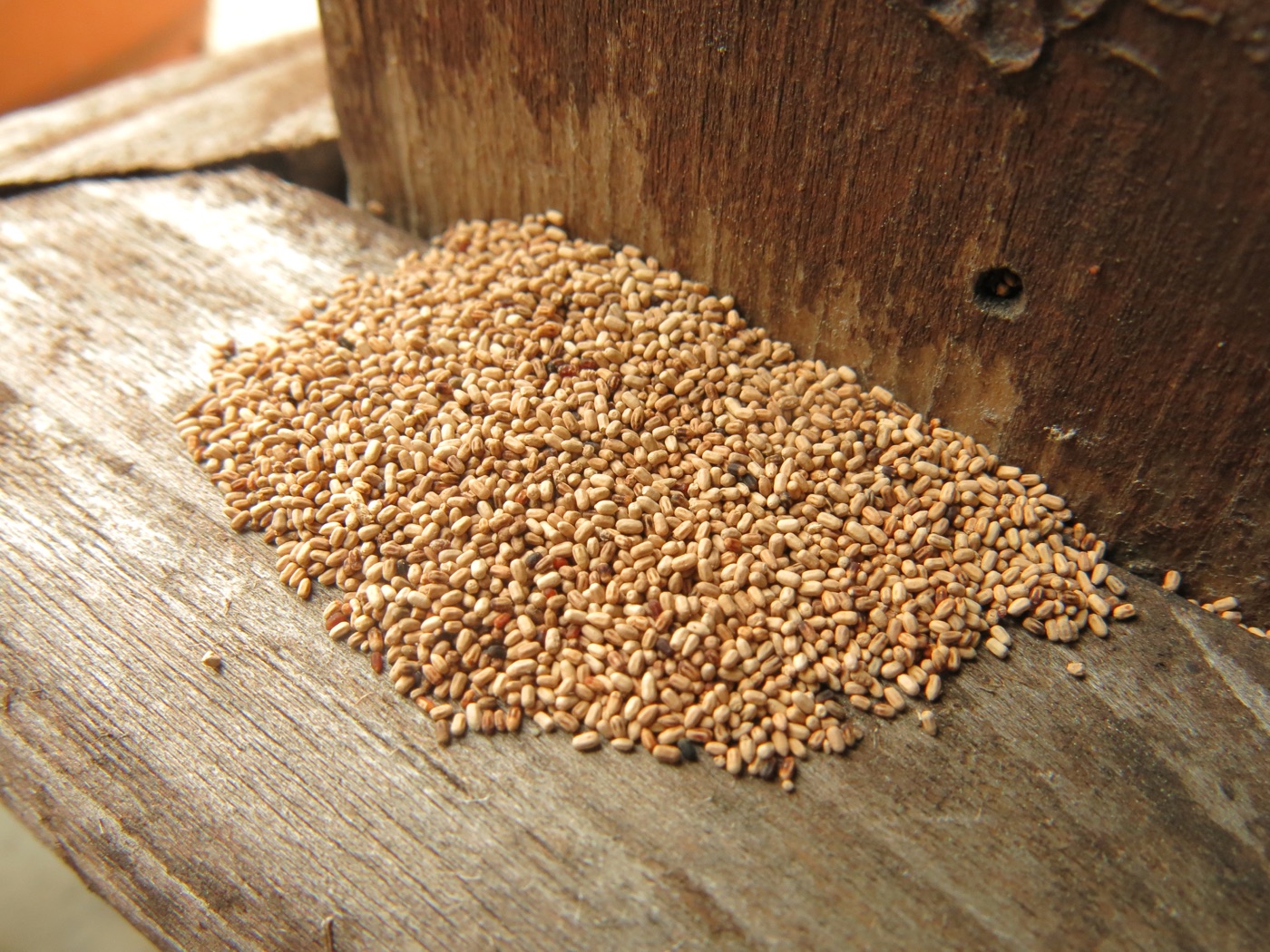

The most useful evidence photograph answers two questions: what is visible, and where was it found? A tightly cropped object can lose the context that makes it interpretable. This sequence is an editorial recording method, not a way to confirm a species automatically.
Start with safety and an overview
Photograph only from a position you can reach safely. Do not handle an unknown insect, disturb wildlife waste, or open structural cavities for a better image. CDC advises against sweeping or vacuuming rodent waste during routine cleanup because disturbance can put material into the air.
Take the overview first. Include enough of the cabinet, wall, fabric, or window to show the exact location. Keep unrelated personal documents and identifying details out of the frame if you intend to share it.
Use a three-image sequence
The following sequence is our editorial method for keeping an identification request small and useful. It is not a guarantee that three images will resolve a species.
| Image | Frame | Check before keeping it |
|---|---|---|
| 1. Location | The object plus surrounding furniture, wall, or shelf | Can another person find the same spot? |
| 2. Whole finding | Entire insect or the complete patch of evidence | Are body edges, antennae, or the limits of the patch cut off? |
| 3. Relevant detail | A second angle or a sharper view of an actual feature | Does it reveal new information rather than enlarge blur? |
Look at the photograph before moving on. Tap the subject to focus if your camera supports it. If getting closer causes blur, step back to the last sharp distance. An evenly lit, recognizable image is usually more useful than a dramatic shadow or a flash reflection covering the body.
Explain scale and image changes
A scale object must be beside the subject on approximately the same plane for a useful comparison. A ruler nearer the camera than the insect can mislead. If you cannot include scale safely, give an honest estimate or say “size not measured.” Do not use a finger beside an unknown animal as your scale.
Keep the unedited original. A simple crop can make the subject easier to find, but send the original too when the service permits. Label a crop as a crop. Do not replace missing body parts, remove confusing marks, or use generative image enhancement on identification evidence. A diagnostic image needs to preserve what the camera captured.
Match the files to a short message
Penn State’s insect identification instructions request contextual information with photographs. Read the chosen service’s current format and size requirements before submitting.
A useful file set could be K1-overview.jpg, K1-body.jpg, and K1-side.jpg. In the message, explain that all three show the same finding, or state clearly when they show different objects. Include the state, observation date, indoor location, and whether the insect was alive when photographed.
If the only usable photo shows the underside or a damaged specimen, say so. Ask which missing feature matters. That lets the identifier request a purposeful second view instead of receiving twenty near-identical images. Use the extension request template to complete the handoff.
Ask a useful identification question
Instead of asking “Is my house infested?”, ask “Is this image sufficient to identify the insect, and what additional view or specimen would you need?” Use our reference photo library for comparisons, then seek a qualified identifier when the image cannot resolve the necessary features. A helpful photograph can support an inspection without being a diagnosis.
Common questions
Should I touch droppings to place a ruler?
No. Do not handle or disturb suspected rodent or wildlife waste to improve a photograph.
Should I sharpen a blurry image until the insect looks recognizable?
No. Keep the original and explain that detail is missing. Processing can create misleading edges without adding reliable information.
Can I use an AI-enhanced image for identification?
Use the original photograph. Generative enhancement may introduce details that were never captured; a crop can accompany the original if clearly labeled.
What should I do if my phone will not focus on the insect?
Move back to the last sharp distance and keep the location image. State that fine detail is unresolved and ask the identification service whether it needs a physical specimen or another view.
Sources and further reading
- US EPA: How to Find Bed Bugs ↗
- CDC: How to Clean Up After Rodents ↗
- Penn State’s insect identification instructions ↗
The observation checklists are our editorial organization of the topic. Linked organizations have not reviewed or endorsed this article.