FIELD JOURNALBathroom pest problems
Silverfish in the bathroom: find the cause and reduce sightings
Why silverfish appear in bathrooms, what a bathtub sighting means, and a practical checklist for moisture, storage, and repeat monitoring.
IN BRIEF
Start with identification, then check moisture and hiding places. A silverfish in a sink or bathtub may have fallen in and become trapped; it does not prove the insect came through the drain.
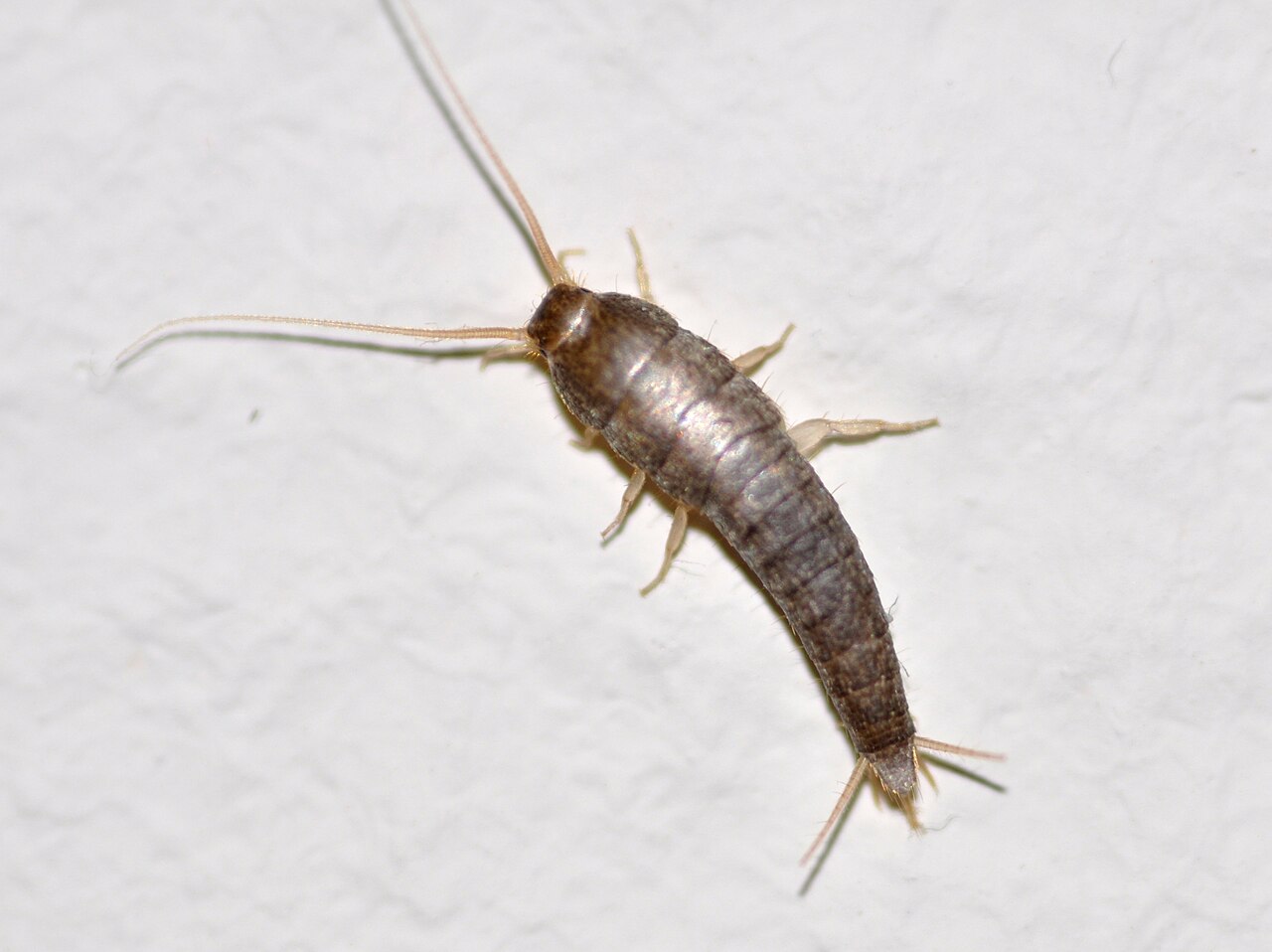

A bathroom sighting gives you a place to begin, not a diagnosis of the plumbing. Before buying a product, take a clear photograph and note whether the insect was inside the bathtub, beside it, or near a cabinet. Those are three different observations.
Confirm the insect before treating the room
Use the silverfish identification guide to compare the tapering body and three rear filaments. If the photograph does not show those features, keep the identification provisional. A small brown insect with a different body shape belongs in the cockroach lookalike comparison.
Avoid naming the pest from its speed alone. Write “fast insect at vanity base” if that is all you saw. An accurate incomplete record is useful when you later obtain a better image.
Why the bathroom is a useful starting point
UC IPM describes silverfish as nocturnal insects associated with damp places. Its management guidance emphasizes drying bathrooms, repairing leaks, cleaning debris, and reducing paper storage. It also explains that insects can fall into smooth basins and become unable to escape. A basin sighting does not establish a drain source.
Check accessible surfaces without dismantling plumbing or opening walls. If an area is unsafe to reach, put it on a maintenance request instead of treating an unseen space.
A bathroom checklist you can actually complete
Our checklist separates observations from proposed repairs. Work through one area at a time and record what you find in the evidence log.
| Area | Record a specific observation | Useful follow-up |
|---|---|---|
| Vanity cabinet | Damp shelf, visible drip, or no moisture found | Photograph the location and report an actual leak |
| Shower area | Where water remains after normal use | Check ventilation and discuss persistent dampness |
| Stored items | Paper packaging, seldom-used boxes, visible damage | Inspect one item at a time before reorganizing |
| Edges and gaps | Exact position of a sighting | Mark the location on a simple room sketch |
| Tub or sink | Insect trapped inside versus running beside it | Keep those sightings separate in the record |
“Bathroom is damp” is hard to act on. “Water beneath the cold-water connection after using the sink” gives a maintenance worker a starting point. If you did not observe the source, say so.
Reduce the conditions you can verify
Begin with the moisture and clutter you actually found. Dry accessible wet surfaces, arrange repair of active leaks, and reduce unnecessary paper storage. Follow care instructions when cleaning affected possessions. UC IPM notes that occasional silverfish can often be managed without insecticides and advises against foggers.
Keep a short action log: date, location, action, and what remains unresolved. Doing several things at once may be sensible, but it makes it harder to attribute a change to one action. Do not turn a short quiet period into a claim that a particular product solved the problem.
Compare repeat checks fairly
Record sightings at the same named locations. If you use labeled sticky monitors according to their instructions, keep trap type and position consistent and note any time a trap was missing or unusable. The trap-monitoring calculator can summarize catches relative to observation effort. Its result describes your record; it cannot estimate the number of insects behind a wall.
An illustrative note might read: “Vanity A, checked Monday; one suspected silverfish; photograph 03; leak repair still pending.” The next entry should state the new finding, including zero if you actually checked and found nothing. A missed check is not zero.
When to get identification or maintenance help
Escalate an unresolved leak as a building issue. For repeated insects or damage, take the photographs, room sketch, and action log to a qualified pest professional or an Extension identification service. Ask whether the insect identification is secure and which part of the room needs further assessment.
If the pest remains unknown, return to the broader small bathroom insects guide. Selecting the next inspection step is more useful than repeatedly treating a guessed species.
If sightings extend beyond the bathroom
Use the whole-home silverfish management plan when several rooms, stored possessions, or recurring sightings are involved. Keep the bathroom observations as one location within that plan instead of assuming every room has the same moisture source.
Common questions
What can I pour down a drain to kill silverfish?
A drain treatment is not the right starting point for a silverfish trapped in a basin. Check the insect and nearby moisture first. Do not put insecticides into drains; follow product labels.
Should I be worried if I see one silverfish?
Record it and check the area. One sighting does not measure a population. Repeated sightings, damaged stored items, or a persistent leak give you a specific reason to investigate further.
Can I permanently get rid of silverfish?
No observation plan can guarantee permanent absence. Address the conditions you find, monitor consistently, and ask for help when sightings or damage continue.
What smell keeps silverfish away?
We do not recommend choosing a scent as a substitute for identification, moisture repair, and monitoring. A smell that seems unpleasant is not evidence of reliable control.
Sources and further reading
The observation checklists are our editorial organization of the topic. Linked organizations have not reviewed or endorsed this article.