FIELD JOURNALPrevention and management
How to get rid of silverfish: a practical whole-home plan
Identify silverfish, reduce moisture and food sources, protect stored items, and decide when repeated sightings need professional help.
IN BRIEF
Start by confirming the insect, fixing moisture problems, reducing accessible food and hiding places, and monitoring the same locations. Occasional silverfish may not need insecticide; recurring damage or sightings warrant a more focused assessment.
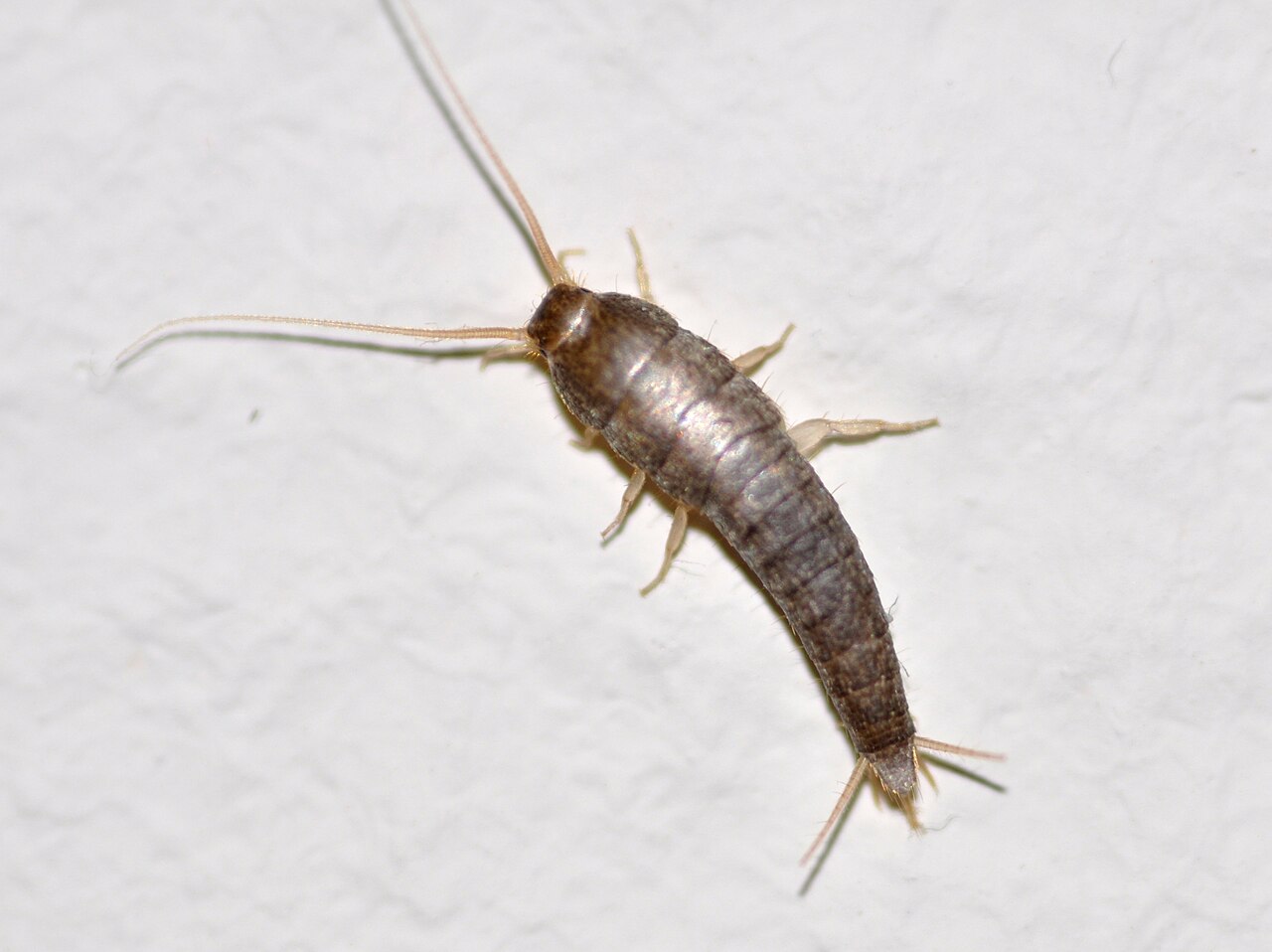

The first useful purchase may be no purchase at all. A clear photograph and a check of the place where you found the insect help distinguish an occasional visitor from a recurring problem that needs more work. This plan covers the home as a whole. If sightings are confined to a basin or vanity, start with the more specific bathroom silverfish checklist.
Step 1: confirm the insect and define the problem
Compare the actual insect with our silverfish guide. Silverfish and firebrats have a tapered, wingless body and rear filaments, but they are not interchangeable with every fast insect found indoors. A blurry streak is not enough to choose a pesticide.
Write down the issue you want to resolve: repeated insects in one cupboard, damage to a particular book, or a one-off sighting. Keep those separate. If you have no damaged item, do not invent one to explain the insect. If an item is damaged, photograph it before assuming silverfish caused the marks.
Step 2: address moisture at its source
Maryland Extension recommends eliminating leaks and condensation and sealing openings around pipes. Start with accessible plumbing and surfaces. A recurring wet patch needs a repair assessment; repeatedly wiping it dry does not resolve its source.
A dehumidifier can be part of a damp-space plan, as Penn State Extension explains. Record the room and the action rather than adopting a universal humidity target from an unrelated species or product advertisement. Do not open electrical equipment or concealed building cavities to investigate a pest sighting.
| Location | First useful check | Who can act on it? |
|---|---|---|
| Sink cabinet | Visible drip or damp shelf after ordinary use | Resident for documentation; maintenance for repair |
| Basement storage | Dampness around the actual storage area | Resident and building professional as appropriate |
| Laundry area | Persistent moisture near accessible connections | Maintenance when the source is unresolved |
| Shared wall or service space | Whether access is safe and authorized | Property manager or qualified professional |
For renters, use the renter report toolkit. A location, date, and clear photograph make a repair request more actionable than a claim that the entire building is infested.
Step 3: reduce food and hiding places without losing track of damage
UC IPM describes starchy foods, paper-associated materials, and household debris among possible food sources. Its guidance includes cleaning storage areas, protecting dry foods in tightly closed containers, and reducing accumulated paper. Penn State also recommends regular vacuuming and closed food storage.
Work one shelf or storage group at a time. Separate unaffected items from items requiring inspection or care. Do not discard valuable books, textiles, or paperwork solely because an insect was nearby. For a delicate or valuable object, ask a conservator or suitable specialist which cleaning and storage methods are appropriate.
Our suggested sorting sequence is: identify the item, photograph any damage, decide its care needs, then choose its storage location. This sequence keeps an existing tear from becoming “new damage” each time the cupboard is reorganized.
Step 4: monitor a repeatable set of locations
UC IPM describes sticky monitors as a way to detect activity. Follow the monitor instructions and keep devices away from places where children or pets could interfere with them. Label each location so a later count refers to the same place.
Use a small, maintainable record rather than installing more monitors than you can check. The trap-monitoring calculator adjusts recorded catches for traps and nights of observation. It does not estimate the hidden population. Keep moved, missing, or unusable devices out of a supposedly identical comparison.
| Record field | A useful entry | Avoid |
|---|---|---|
| Location | “Bookshelf B, lower right edge” | “Somewhere upstairs” |
| Finding | Suspected insect plus image number | Counting unidentified debris as insects |
| Action | Leak repaired, item moved, shelf cleaned | “Everything treated” without details |
| Follow-up | Actual check date and result | Writing zero when no check occurred |
Step 5: decide whether treatment advice is needed
UC IPM says occasional insects and light infestations may be managed without insecticides and does not recommend foggers. Penn State emphasizes combining management measures rather than expecting one intervention to solve every situation. A product’s presence in a store is not evidence that it fits your pest, room, or application site.
For persistent sightings or continuing damage, seek identification and a targeted plan from a qualified professional. Bring the photographs, item list, and maintenance history. Ask which observed evidence supports the identification, which conditions remain unresolved, and how follow-up will be evaluated. Use the professional-selection questions to prepare.
What counts as progress?
A completed repair, a resolved identification, protected storage, and fewer findings during comparable checks are useful outcomes. None proves permanent absence. Keep the evidence log long enough to distinguish a new observation from an old photograph or a missed check. If the insect changes appearance, return to identification instead of automatically repeating the previous treatment.
Common questions
Can I get rid of silverfish without pesticides?
UC IPM says occasional insects and light infestations can be managed with physical measures and reduced water sources. The appropriate response depends on identification, repeated findings, and damage; it is not a guarantee for every home.
What attracts silverfish to a house?
Moisture, hiding places, and accessible food can support them. University guidance identifies starchy materials, some stored foods, and paper or book-binding materials as possible food sources. A single insect does not identify which condition is responsible.
Will a dehumidifier solve the problem?
Reducing dampness is part of management, but it does not identify the insect or remove every food source and hiding place. Address an actual leak and follow up in the same locations rather than relying on one appliance as a complete solution.
Should I use a silverfish fogger?
UC IPM advises against foggers for silverfish and firebrats. For any pesticide, use only a product labeled for the pest and application location and follow the label; get professional advice when the appropriate treatment is unclear.
Sources and further reading
- UC IPM: Silverfish and Firebrats ↗
- University of Maryland Extension: Silverfish and Firebrats ↗
- Penn State Extension: Bristletails ↗
The observation checklists are our editorial organization of the topic. Linked organizations have not reviewed or endorsed this article.