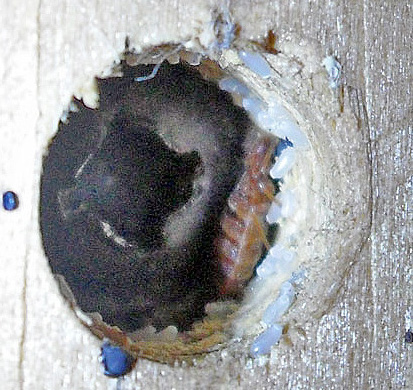

Field comparison: an egg, a shed skin, or lint?
EPA describes bed bug eggs as pearl-white and about 1 mm long. A shed nymphal skin is a different object: it can retain a bug-like body outline and appendages. Lint is irregular fibrous material rather than an intact capsule.
Use those distinctions to decide what needs a closer view. If an image shows no object outline, an egg label is premature. A credible suspected egg warrants identification now; you do not have to wait for several different signs. A negative phone-photo match cannot certify that eggs are absent.
Reference: US EPA: Bed Bugs Appearance and Life Cycle · University of Minnesota Extension: Bed Bugs
Check nearby hiding places
- Examine mattress seams, tags, box springs, and cracks around the bed frame and headboard.
- Look for shed skins, live insects, or dark spotting as well as eggs.
- Use a close-up photo and a scale marker. Small pale debris is easy to misidentify.
Avoid relying on bites
EPA says skin bites are a poor indicator because other insects and skin conditions can look similar.
Other household insects can resemble bed bugs. Accurate identification should come before treatment.
Photograph attachment and scale together
A pale object resting on a sheet and an object fixed inside a seam are different observations. Include the surface and a scale beside it when this can be done without disturbing the object. Keep the original image even if you also create a close-up. A phone’s digital zoom can enlarge a speck without revealing features needed to identify it.
Inspect a defined area and record its limits
Choose a named location such as the mattress label seam or a visible bed-frame joint. Record what was examined and which surfaces were inaccessible. This creates a usable inspection note instead of a claim that the entire room was checked. Avoid dismantling heavy furniture or electrical fittings in an effort to prove that no eggs exist.
Do not turn pale debris into a count
Lint, crumbs, surface coatings, and other insect material can all become “eggs” when viewed with a strong expectation. Keep uncertain objects labeled as uncertain. A specialist may be able to identify an associated insect more readily than isolated pale material. Photograph cast skins, actual insects, and spotting separately so each piece of evidence can be evaluated on its own.
Prepare the next identification step
Send the exact finding location and the best scale image to an extension diagnostic service or qualified pest professional. Ask whether the image is sufficient or a specimen is required and follow their collection instructions. Keep any cleaning or treatment dates in the same record so later observations can be interpreted. A website image match alone should not trigger disposal of a bed.
Keep the context with the clue
Record the date, exact location, visible features, and what remains uncertain. Bring the record to a qualified identifier.
Add this finding to your evidence log →Common questions
Can bed bug eggs be identified from a phone photo?
Sometimes a close-up helps, but very small pale objects are easy to confuse. A specimen and other physical signs can make identification more reliable.
Do bites confirm bed bugs?
No. EPA says bites are a poor indicator because other insects and skin conditions may look similar.
Does a white speck on clean bedding prove a new infestation?
No. The cleaning date does not identify the object. Document its appearance and location and look for confirmable physical evidence rather than assuming every newly noticed speck is an egg.
Can eggs establish which room the problem began in?
A confirmed finding shows where that evidence was found. It does not establish the original introduction point or assign responsibility to a person or room.
Sources reviewed
These references support the identification notes. They do not imply that the authors have reviewed or endorsed this website.