FIELD JOURNALTravel and bedroom evidence
Suspected bed bugs after travel: a careful unpacking and evidence plan
Found a possible bed bug after traveling? Learn how to inspect luggage, handle clothing and document the evidence safely.
IN BRIEF
A questionable mark or insect after a trip calls for a calm, contained response. Record what you found, avoid spreading belongings between rooms and get an identification before assuming an infestation.
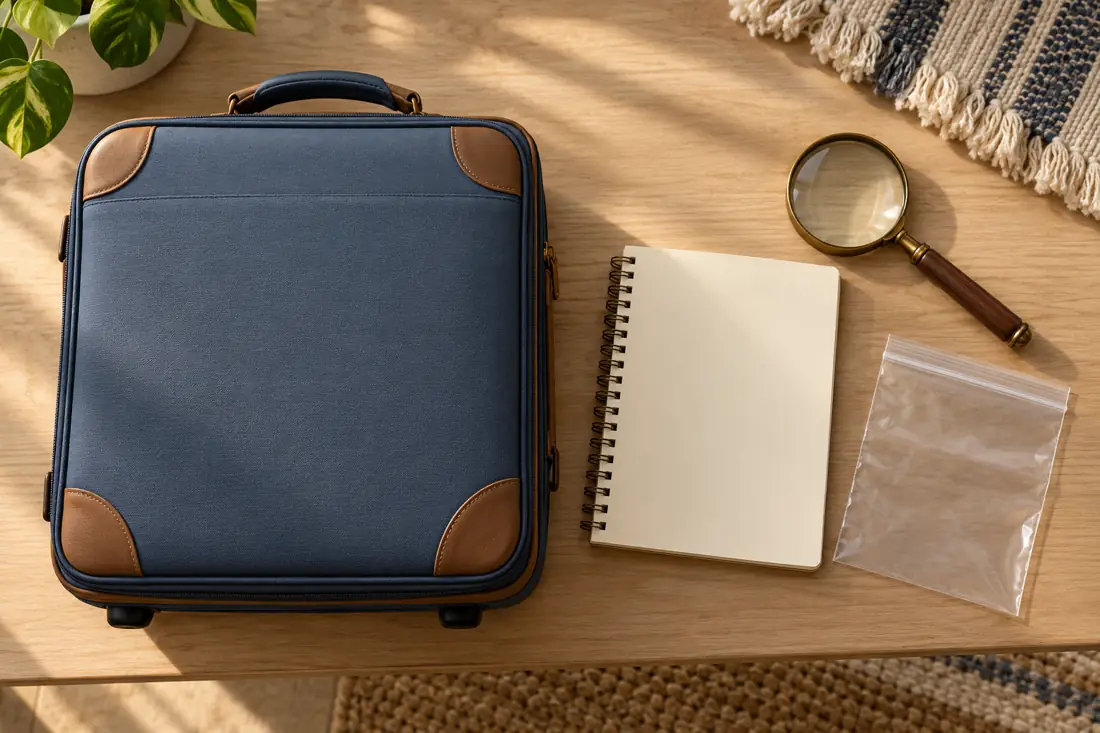
A single clue or photograph cannot confirm a species, the extent of a problem, current activity or the safety of a space. Record what you can safely see and ask a qualified identifier or professional when the finding is unclear.
Start with the finding, not the conclusion
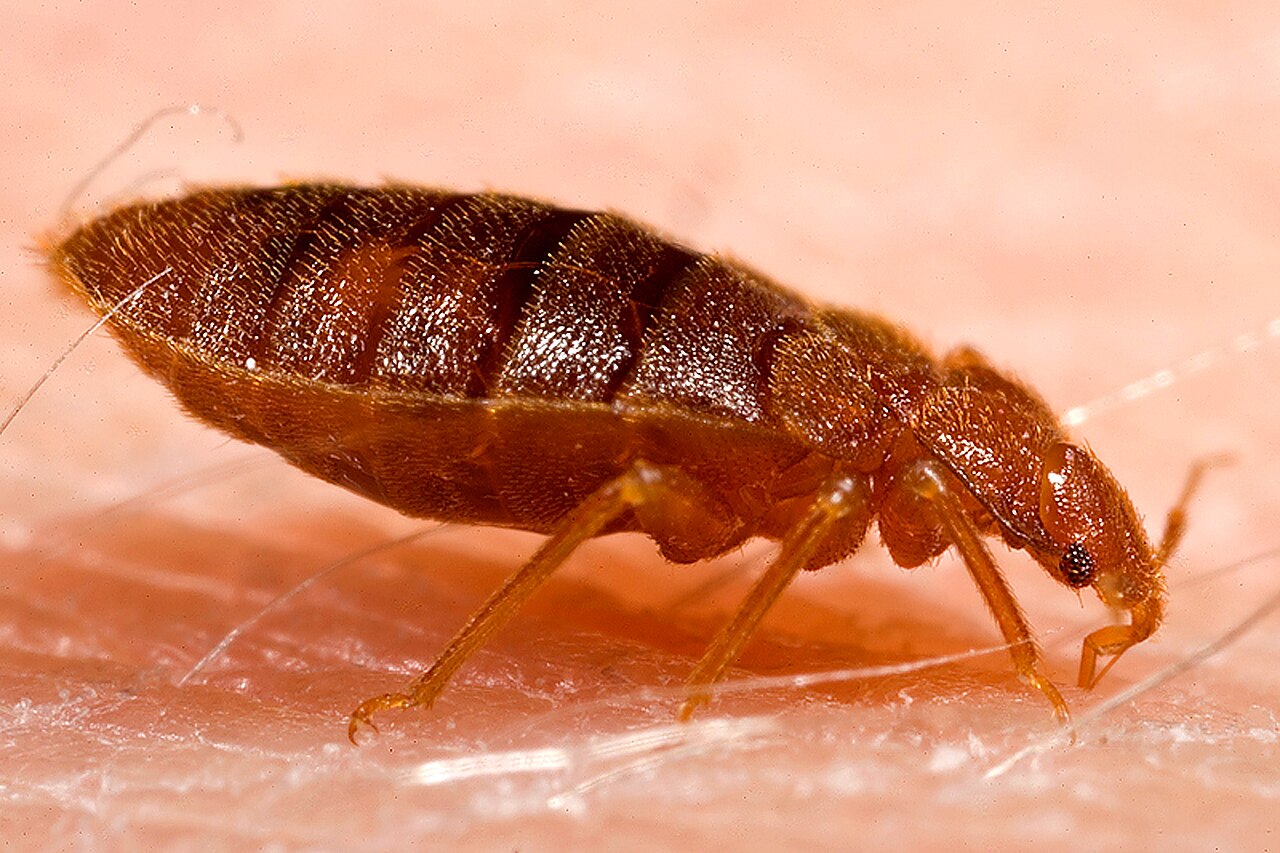

A bite, itchy spot or dark mark is a reason to look more closely, but it cannot identify a bed bug. EPA notes that skin reactions vary and bites are a poor standalone indicator. Some people do not react; other conditions and insects can produce similar-looking marks. The reference photograph above shows one documented adult feeding from the side. Your finding may look different, especially at another life stage, and a photograph cannot establish how many insects are present or where they came from.
Write down what you actually saw, the location and date. Separate a photographed insect from a stain, skin reaction or secondhand report. If an insect is available, retain it safely in a closed container or sealed bag for an identifier rather than crushing it or handling it with bare hands. If medical symptoms concern you, consult a clinician; an online pest guide cannot diagnose a skin condition.
Create a simple unpacking boundary
Place luggage in an area where you can inspect it and where belongings will not be distributed across multiple rooms. EPA suggests keeping suitcases away from the bed and checking them on return. If you have already unpacked, record where bags and clothing went rather than assuming every room is affected. Avoid transferring suspect articles to a friend, laundry service or shared space without telling the recipient what you found.
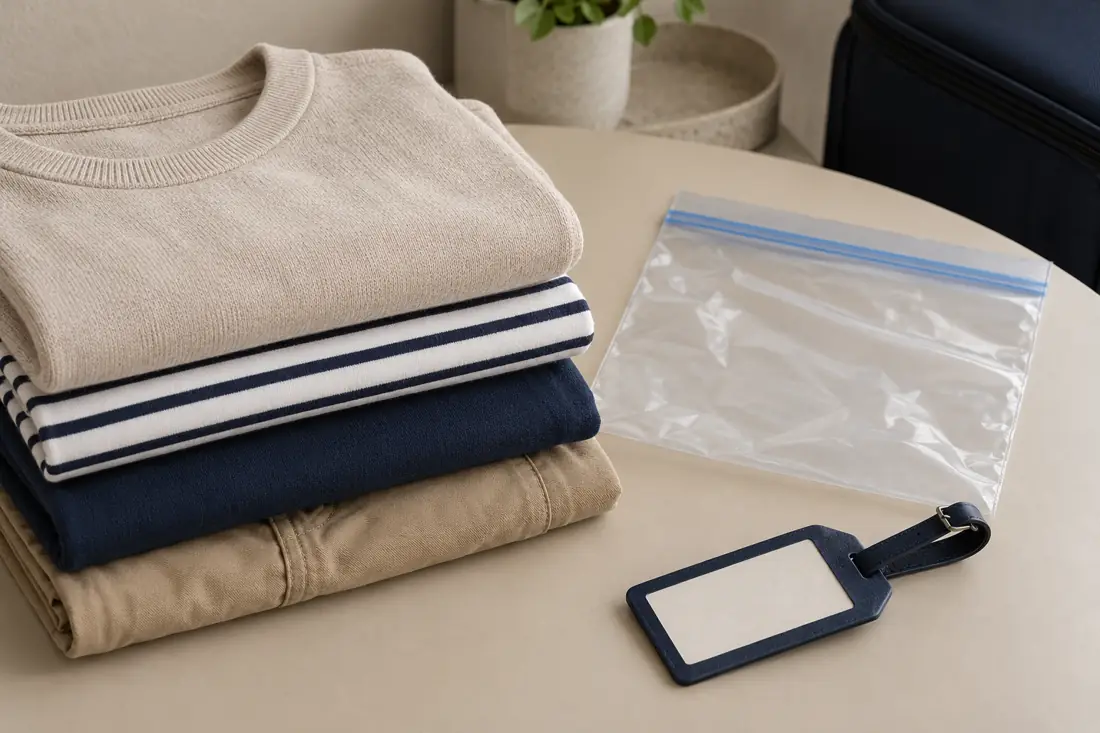
Use clean bags or containers to separate items that have been checked or treated from items awaiting a decision. Label them with the date and state, such as “unchecked clothing” or “heat-treated and sealed.” Bagging is a containment step: it does not, by itself, prove that an item is free of insects or kill everything inside.
Check luggage seams and retain the useful view
Inspect accessible seams, pockets, folds and the luggage frame with a light. Take a wider photograph that shows the location, then a focused close view if you can do so without touching or scattering the finding. A ruler near the object can add scale when placing it is safe. Record where the image was taken and whether the bag had already been moved.
Ask an extension office, local health department or qualified pest professional how they accept a specimen or photographs. Record the answer as “identified,” “possible” or “not determined,” and keep the name of the person or service who made the identification. A source photograph is a comparison, not a substitute for examination of your specimen.
Choose a treatment that fits each item
For clothing and other items that can safely tolerate it, EPA recommends a household dryer on high heat for 30 minutes during bed bug treatment preparation. Check the care label and follow the current EPA instructions; washing alone may not kill bed bugs. Move treated items directly into a clean sealed bag or container to reduce re-exposure. Avoid overloading the dryer, and do not claim heat treatment succeeded for an article that never reached the required conditions.
Electronics, shoes, luggage and delicate articles may need a different approach. Do not improvise an oven, space heater or pesticide application. Ask a qualified professional about safe options for the item, and follow product and treatment instructions. Leaving a bag sealed for an unspecified short time is not proof of treatment.
Know when a home inspection is useful
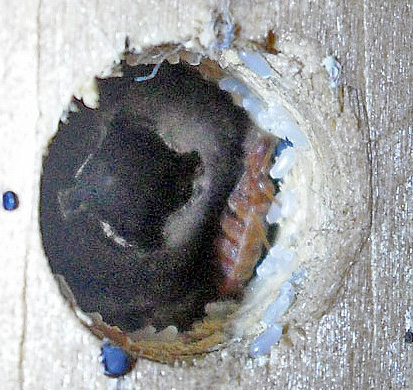

A confirmed insect, repeat finds, or physical evidence near a sleeping area warrants an inspection plan. Bed bugs shelter in cracks and folds, so one empty search is not proof that every hiding place is clear. Start with accessible mattress seams and bed-frame joints; do not dismantle electrical equipment, move heavy furniture alone or enter unsafe spaces simply to complete a checklist.
For a rental or multi-unit property, notify the landlord or building manager promptly and share the dates, location and identification status. Ask who coordinates inspection of adjacent areas and how to prepare. Do not present every neighboring unit as affected without evidence.
Keep a follow-up log
A useful log contains the discovery date, where the luggage was placed, the item examined, whether a specimen was saved, treatment method, and who checked the finding. Add follow-up entries with their own dates rather than rewriting the original entry. If no new evidence appears, say exactly which accessible areas were checked and when. That limited observation is not a professional clearance.
Bring the log, unaltered photographs and any identifier’s response to an appointment. Ask what additional inspection is needed, which possessions require special handling, and how the team will judge whether management is working.
Field comparison: record what you know
| Observation | Useful record or action | Limit |
|---|---|---|
| Skin reaction | A health concern to discuss with a clinician | It does not identify an insect. |
| Insect in luggage | A specimen and exact location for an identifier | One insect does not establish a home infestation. |
| Dark mark on fabric | A location to photograph and assess | A stain alone does not establish its cause. |
| Later empty inspection | Which accessible places were checked and when | Hidden spaces remain outside the observation. |
Continue in the field guide
Common questions
Should I throw out my suitcase?
Not automatically. Bag and separate the item while you seek an identification and advice on appropriate handling. A professional can explain whether inspection and a suitable treatment are possible for the material. Throwing away luggage before documenting an insect can remove useful evidence and create unnecessary expense.
Does a dryer treat the whole suitcase?
A dryer instruction for suitable clothing does not establish a treatment for a hard-sided suitcase, electronics or items that cannot safely tolerate heat. Read each care label and ask a qualified professional about those items. Do not put a case into an oven or heat it with an improvised device.
Can bites establish where I encountered bed bugs?
No. EPA notes that bites are a poor indicator because reactions vary and other causes are possible. A clinician can assess the symptoms, while a pest professional or extension service examines physical evidence. Avoid attributing the issue to a particular hotel or person without supporting evidence.
What if I have already unpacked?
Record where the suitcase and individual items went and begin the containment and inspection process from that point. Treat rooms and belongings as observations to assess, not confirmed infestation sites. Share the timeline with an identifier so the next inspection can be tailored to the evidence.
How do I know when the problem is resolved?
An identification and follow-up plan can define which areas will be inspected and how monitoring will be assessed. Record the dates and limits of each inspection. A clear trap or one unsuccessful search does not by itself establish that all hiding places were checked or that every insect has been eliminated.
Sources and further reading
The observation checklists are our editorial organization of the topic. Linked organizations have not reviewed or endorsed this article.