FIELD JOURNALRodent prevention
Possible rodent entry points: document gaps before sealing
Document possible rodent entry points, check gaps safely and plan repairs without treating a gap as proof of rodent activity.
IN BRIEF
A gap can be a plausible route without proving a rodent used it. Document accessible openings, address waste safely and coordinate repairs that are appropriate for the building.
A single clue or photograph cannot confirm a species, the extent of a problem, current activity or the safety of a space. Record what you can safely see and ask a qualified identifier or professional when the finding is unclear.
Separate an opening from evidence of use
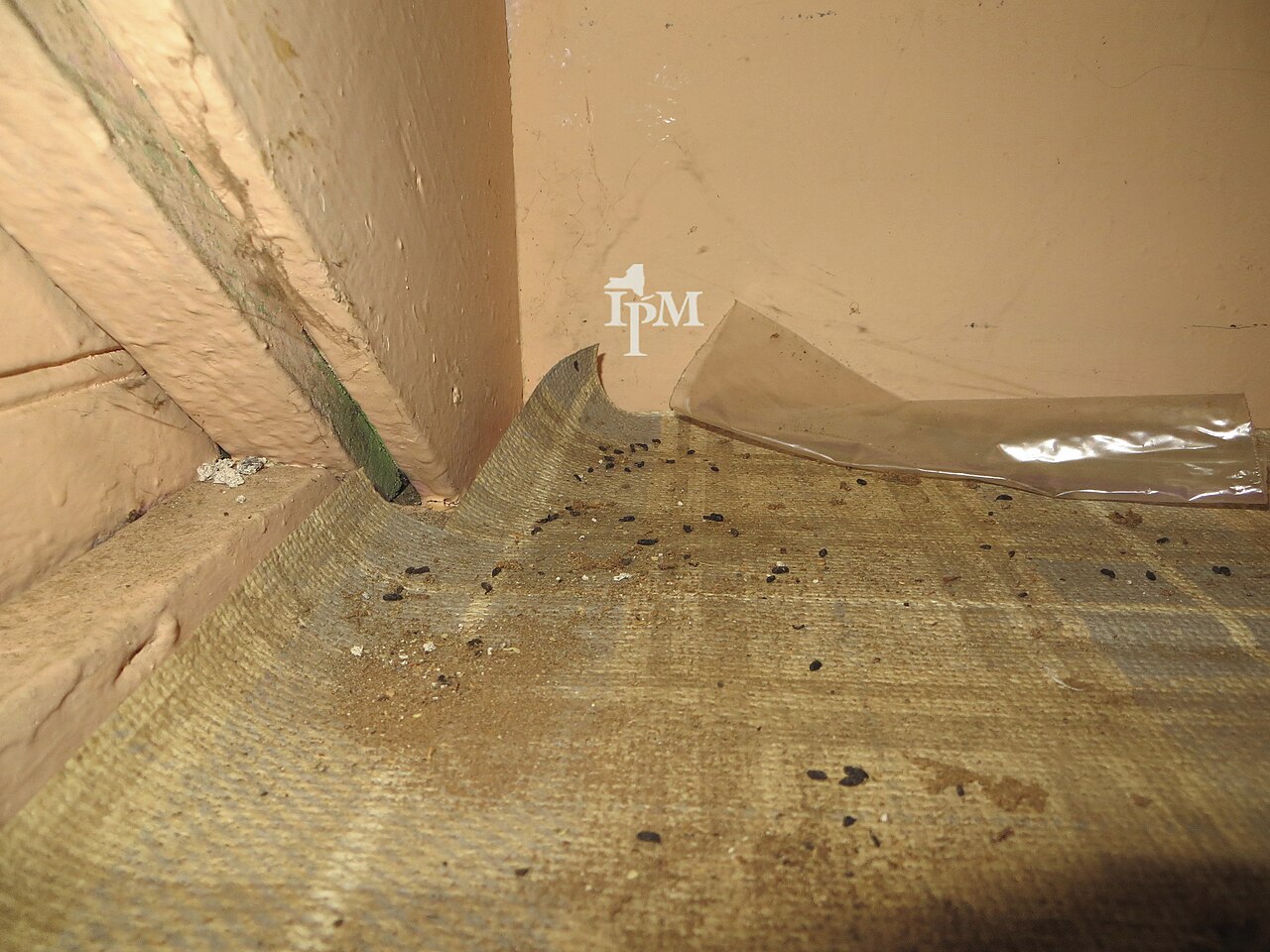

A hole around a utility pipe or a gap beneath a door is an entry opportunity, not proof that a mouse or rat passed through it. Note the location and any nearby marks, damaged food packaging or suspected waste separately. The reference image shows house mouse droppings in a documented setting; it cannot identify the cause of a reader’s finding or show whether material is fresh.
CDC notes that mice can fit through openings about a quarter inch across. This is a useful screening threshold, not a guarantee that every smaller opening is sealed or that a particular gap was used. Measuring a gap does not require disturbing debris; leave the measurement unknown when you cannot do it safely.
Put safety before a complete survey
If you see possible rodent urine, droppings, nesting material or a dead rodent, pause ordinary cleaning and sorting. CDC advises against sweeping or vacuuming rodent urine, droppings or nesting material because this may disperse contaminated material into the air. Keep children and pets away and consult the current CDC cleanup instructions for the actual setting. Heavy contamination, inaccessible areas and uncertainty may require professional help.
Do not climb into confined spaces, enter damaged structures, work near exposed wiring or disturb insulation to obtain a better photograph. A useful record can say “not inspected.” Your safety and the original scene matter more than completing every line of a checklist.
Make a location-by-location repair list
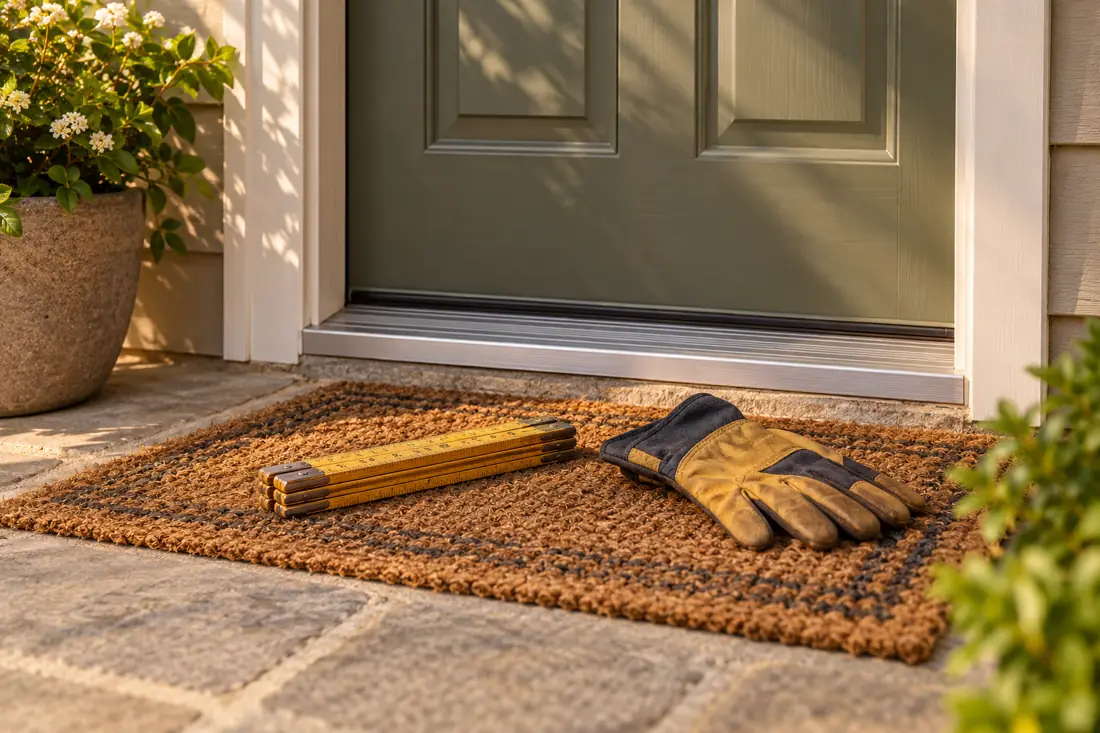
From safe and accessible viewpoints, check areas CDC lists such as around pipes, doors, vents, foundations and utility entries. Number each observation and note the room or exterior location, approximate opening and adjacent conditions. Photograph the wider location first; add a closer photograph with scale only where it can be done safely.
Record who is responsible for the repair. In a rental, shared building or utility area, send the map to the property manager and ask whether a licensed contractor should handle fire-stopping, ventilation or penetrations. Do not block a necessary vent, combustion-air opening or weep hole simply because it looks like an access point.
Choose a durable repair for the actual opening
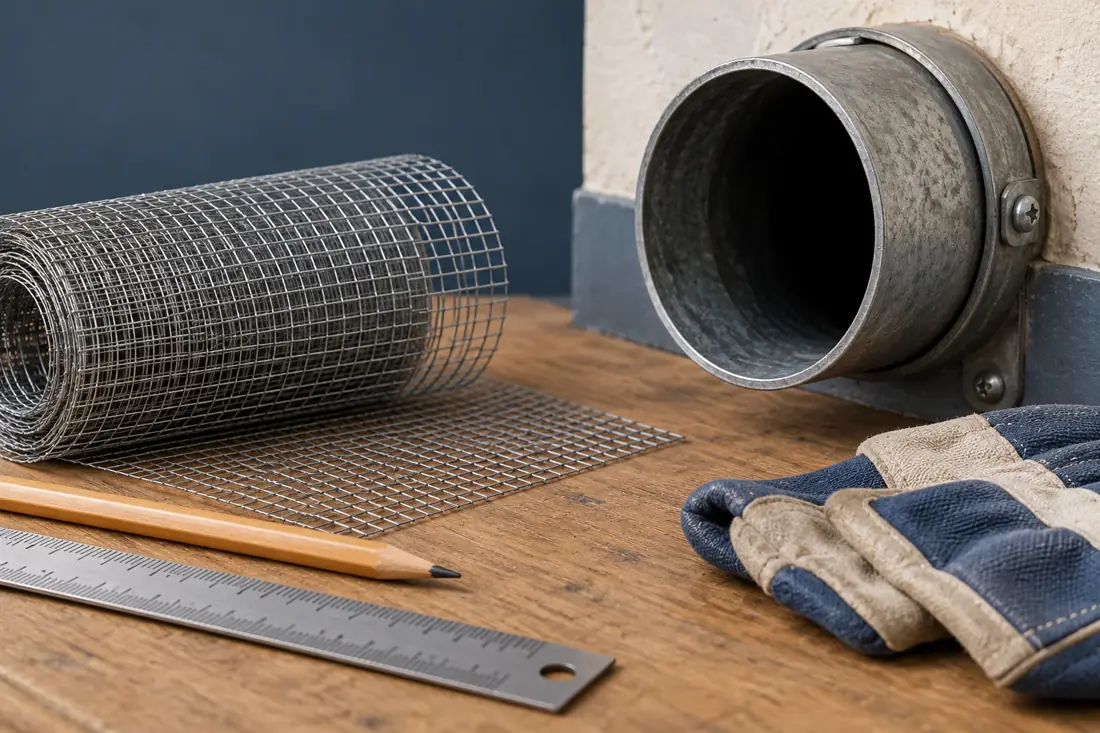
CDC describes filling small holes with steel wool and securing it with caulk or spray foam, and using other durable materials for larger holes. The opening, substrate, weather exposure and local building or fire requirements determine the suitable repair. Ask the responsible contractor about the correct method around cables, pipes and vents; foam by itself should not be assumed to withstand rodent gnawing.
Exclusion is part of a broader plan. Sealing an access point does not immediately remove animals already inside or make contaminated material safe. Discuss the sequence of trapping, cleanup and repairs with the person responsible for the property or a pest professional.
Make the post-repair baseline meaningful
After approved cleanup and repair, record the repair date, location, material used and the areas that were not accessible. If appropriate, take a photograph of the finished opening and retain the contractor’s notes. Later observations should be separate entries: date, place, what was seen and whether it was identified. Avoid labeling new pellets as fresh on appearance alone.
When later findings appear, compare their position with the baseline and ask the professional whether another route, an incomplete repair or an animal already inside is plausible. A quiet week in one room does not prove that hidden areas or the entire building are clear.
Ask for help when the scope exceeds a small repair

Seek a qualified pest professional or public health guidance when waste is extensive, animals remain active, multiple units are involved, the repair affects structural or utility systems, or you cannot safely reach the area. CDC’s guidance provides separate advice for cleanup and trapping; follow the full instructions rather than relying on a brief summary.
Share the numbered map, access limitations, prior repair dates and any identification. Ask who will handle removal, safe cleanup, building repairs and follow-up, and how each step will be documented. These are distinct decisions, and a sealed hole by itself is not an all-clear.
Field comparison: record what you know
| Observation | Useful record or action | Limit |
|---|---|---|
| Gap beside pipe | Photograph and note responsibility for repair | Opening is a possibility, not proven use. |
| Suspected waste | Stop dry sweeping and use CDC cleanup guidance | Do not disturb waste to measure a gap. |
| Shared utility space | Notify the manager and document access limits | Do not alter pipes, wiring or required vents. |
| New observation after repair | Record a separate date and location | Do not infer age or source from appearance alone. |
Continue in the field guide
Common questions
Is a quarter-inch opening proof that mice got in?
No. CDC describes an opening about that size as large enough for a mouse, so it is worth assessing as a possible route. It is still necessary to examine the broader setting and other evidence. A gap and droppings nearby do not prove the animal used that opening.
Can I clean droppings with a vacuum first?
CDC advises against sweeping or vacuuming rodent urine, droppings and nests because disturbance can spread contamination into the air. Consult the full current CDC instructions for the circumstances, including ventilation, disinfecting and protective steps. Extensive or difficult-to-access contamination may require trained assistance.
Should I fill all holes with spray foam?
Repair methods depend on the surface, hole size, safety and local requirements. CDC describes steel wool secured with caulk or spray foam for small holes and other materials for larger openings. Do not assume foam alone is rodent resistant, and do not seal vents, fire-safety openings or utility features without proper advice.
Do repairs remove rodents already inside?
No. Exclusion helps prevent entry but does not guarantee that an animal already present has left. Coordinate the timing of safe cleanup, appropriate trapping and repairs with a qualified professional or the property manager. Keep dates and observations so the follow-up can be assessed.
When should I contact a professional?
Seek help when activity continues, contamination is heavy, the opening involves utilities or structure, the space is unsafe, or multiple units may be involved. Provide a location map and explain which spaces were not inspected. Ask who will perform cleanup, building repair, pest management and follow-up.
Sources and further reading
- CDC: How to seal up to prevent rodents ↗
- CDC: How to clean up after rodents ↗
- CDC: How to trap up to remove rodents ↗
The observation checklists are our editorial organization of the topic. Linked organizations have not reviewed or endorsed this article.